What if the smartest home choice you make isn’t about gadgets but about light, materials, and calm? I ask that because I’ve watched a Los Angeles practice prove it true in real homes. The story of Woods and Dangaran began in lean times and grew into an architecture approach that favors clarity over clutter.
I’ll share how a resilient studio mindset—born in recession—shapes quiet, practical decisions. Their design blends interiors with custom furnishings so spaces work better and feel better.
Expect concrete lessons for everyday living: cool stone underfoot, teak that soaks light, cross-breezes you can feel. This is about homes that serve daily life, not just look good on a page.
Key Takeaways
- Prioritize daylight and material choices to improve comfort and energy use.
- Simple palettes and careful joinery make rooms feel timeless and calm.
- Design decisions born from constraints often yield the most resilient solutions.
- Integrating architecture, interiors, and furnishings creates cohesive living spaces.
- Small layout tweaks can boost both function and well-being at home.
Woods and Dangaran: Modernist Roots, Los Angeles Context, and a Holistic Studio Vision
A USC studio thread became a Los Angeles practice focused on calm, useful spaces.
From classmates to collaborators: brett woods joseph began work together at USC and found footing during the 2010 recession. They formally launched their practice in 2013, learning to turn limits into clarity.
Their disciplined modernist stance edits the palette and shapes daylight so rooms feel restful. I admire how the team tunes openings, overhangs, and materials to local microclimates in los angeles—so interiors behave well at noon and at dusk.
Holistic process: architecture, interiors, and custom furnishings arrive as one idea. The studio tests mockups with trusted tradespersons and favors details that age with dignity.
“Design that lowers cognitive load and supports daily life is the most generous kind.”
Studio highlights
- Resilience born in recession; steady problem-solving on job sites.
- Rectilinear clarity inspired by Craig Ellwood lineage and precise restoration work.
- Recognition: Architizer Best Medium Firm, 2023—earned through proportion, performance, and poise.
| Aspect | Origin | Approach | Recognition |
|---|---|---|---|
| Timeline | USC classmates to LA practice (launched 2013) | Disciplined modernism focused on light and wellness | Architizer Best Medium Firm (2023) |
| Process | Client dialogue and shop mockups | Integrated architecture, interiors, furnishings | Craft-focused collaborations with trades |
| Influences | Mid-century lineage, Craig Ellwood | Rectilinear forms, material restraint | Moore House restoration shows heritage care |
Portfolio Showcase: Residences that Merge Architecture, Interior Design, and Landscape
Here I map a trio of projects that fuse house, yard, and craft into cohesive living. Each project shows how small, deliberate choices shape comfort, daylight, and daily ritual.
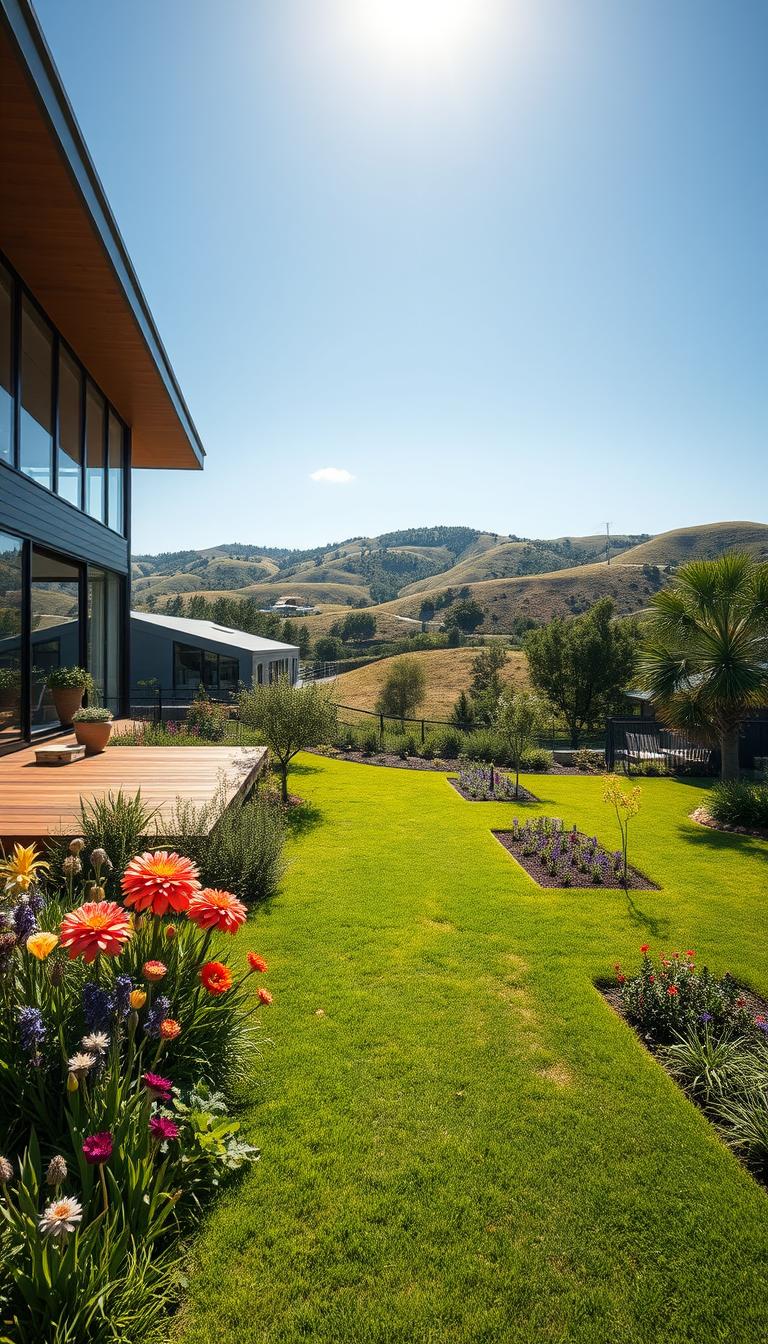
Moore House, Los Feliz: Honoring craig ellwood with meticulous restoration
The Moore House was taken to studs and rebuilt with respect for the original openings. New glazing uses anodized aluminum outside and painted black wood inside to keep the proportions crisp.
Burmese teak flooring, textured plaster ceilings, and a matte brass firebox in the cabinetry warm the interior without fuss. The koi pond stayed as a condition of escrow, and a 60-foot lap pool now anchors the front yard.
Moccasin Flats Residences, Utah
Three long, horizontal residences tuck into the mesa. Floor-to-ceiling glass, sky bridges, and atriums pull light deep into each plan.
Stone, plaster, and locally sourced concrete are chosen to patina with time, letting the work read as part of the site and landscape.
Rim Rock Estate, Las Vegas
Low-slung massing and tiered sightlines blur inside-outside. Wide overhangs shade interiors by day and open to stargazing at night.
Clay façades mixed with site soil and native planting keep the house rooted. Across these projects by woods dangaran the architecture and interior design feel like a single idea—rooms become spaces that steady the day.
“Restraint is a sustainable strategy—fewer moves, better executed.”
For more on how these elements translate to everyday living, see inline posts that explore material choices and light strategies in depth.
Design Process and Sustainable Strategies in Practice
Every job starts with a listening session and a walk-around, not a grand sketch. I sit with clients, ask how they use a space, then walk the site with trusted tradespeople. That early dialogue saves time, money, and stress.

Dialogue-driven collaboration
We test ideas with mockups and material samples. How does plaster feel at dawn? Will this glazing reduce heat gain? These checks prevent surprises and ensure real craft—furniture, joinery, finishes—fits the plan.
Sustainable materials and site-responsive forms
Sustainable choices are woven into every decision. High-performance glazing, waterproofing, and layered insulation extend a home’s life without changing its character.
Orientation, overhangs, and regional materials temper sun and capture breezes. The result is cohesive architecture that links interior design, landscape, and custom furnishings so daily living feels effortless.
“Sustainable design is a series of better choices, made early and upheld through construction.”
- Start with conversation, not concept.
- Prove details with mockups.
- Let the site do the heavy lifting.
For further inspiration on studio practice, see this roundup of the best architecture studios.
Conclusion
What stays with me is how disciplined choices turn houses into calming, useful homes. I’ve seen founders brett woods and joseph dangaran lead projects that balance craft, performance upgrades, and quiet materiality.
From the Moore House to Moccasin Flats and Rim Rock Estate, the studio’s portfolio proves this point. Their process—client dialogue, trades collaboration, mockups—creates interiors that truly serve daily life.
If you’re planning a project, borrow the mindset of brett woods joseph and woods joseph dangaran: choose fewer, better materials; align openings with views and breezes; coordinate interior and architecture early. Start small—upgrade glazing, add shade, simplify finishes.
For a recent example of team collaboration and permitting in Los Angeles, see the Night Watch project.