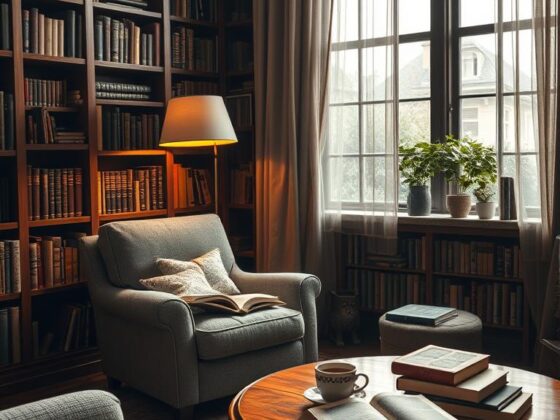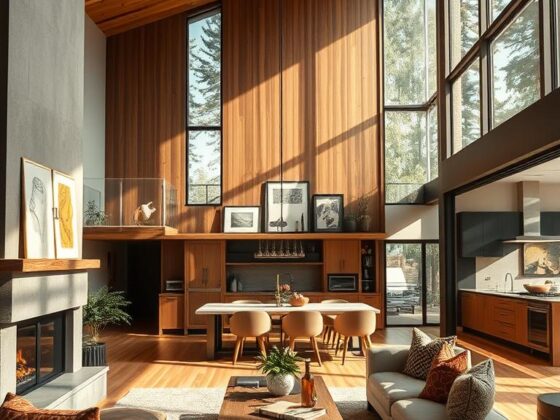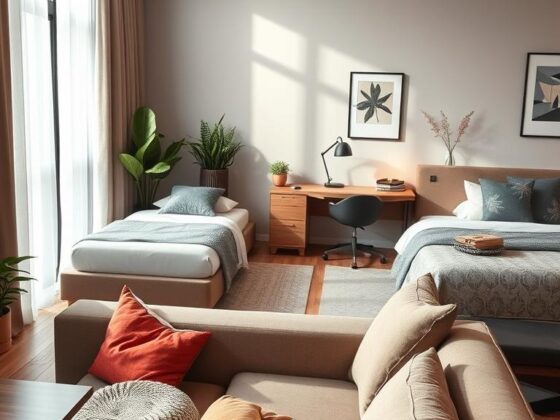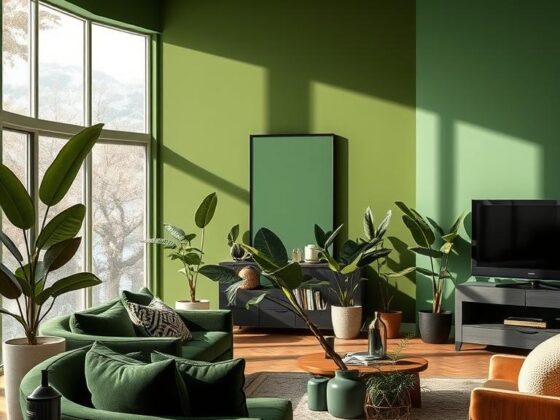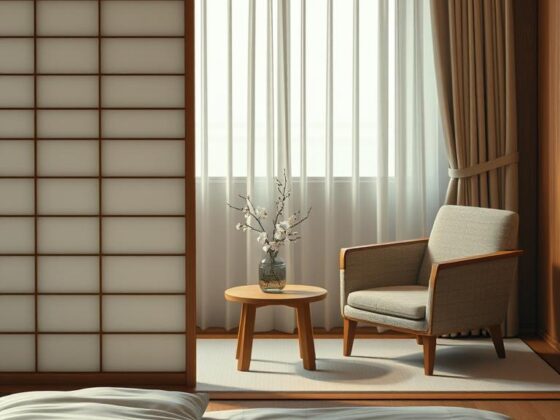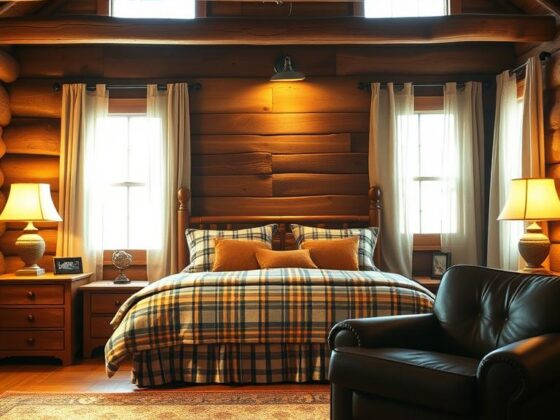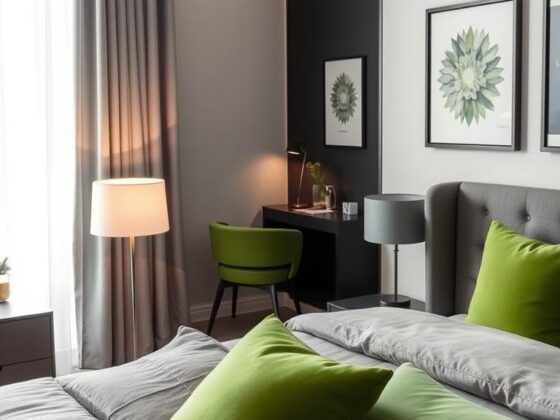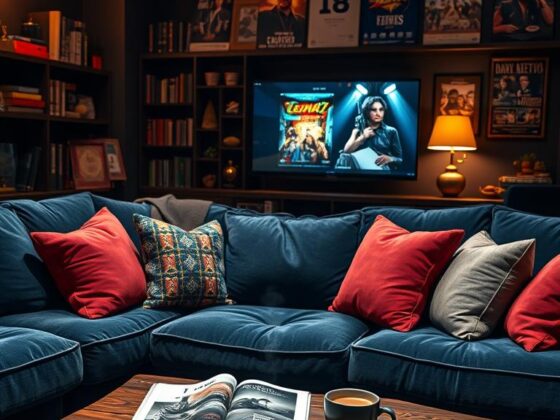
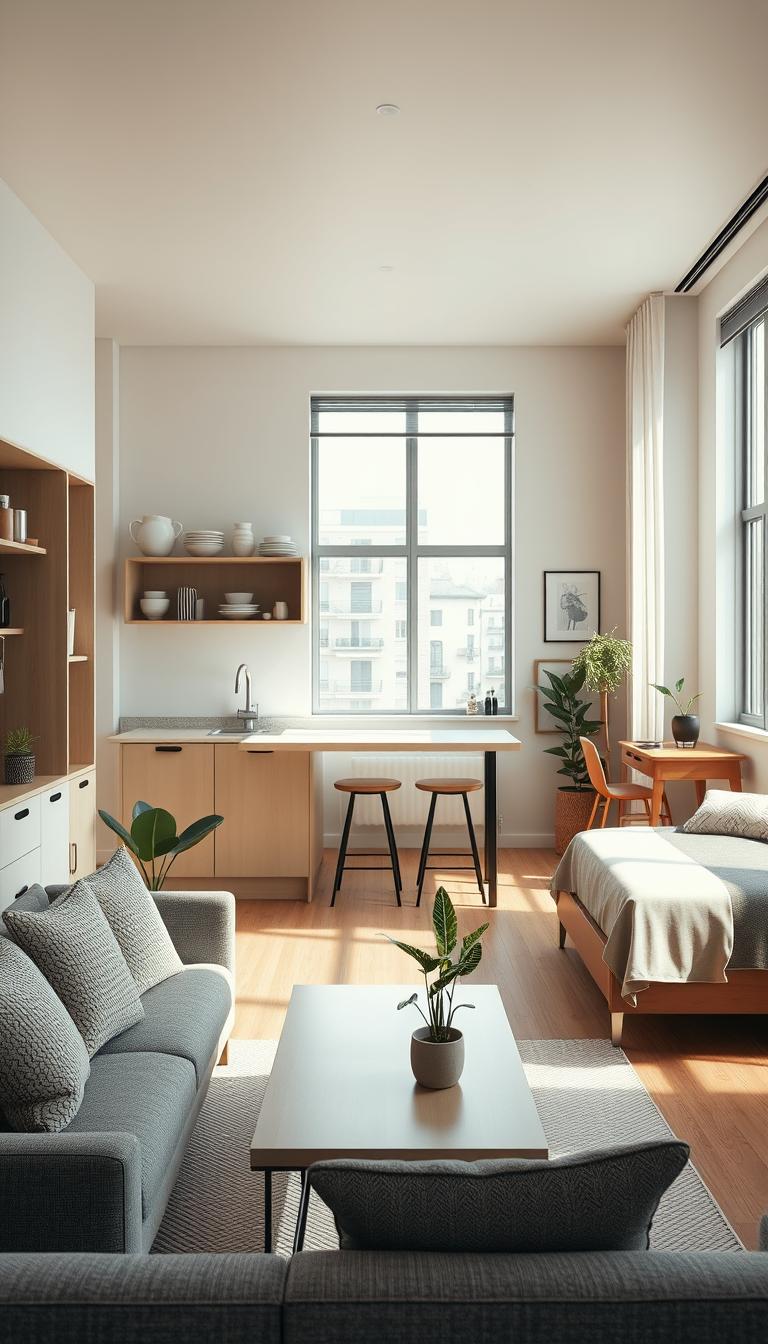
Can a tiny home feel roomy, effortless, and truly yours without a major remodel? I ask that question because I start every project by defining what comfort looks like for the person who lives there.
I work with studios under 600 square feet — new builds often average about 457 square feet — and I’ve seen smart choices change everything. Clear sight lines, layered lighting, and multifunctional furniture make the footprint read larger than it is.
My approach is practical: create intentional zones, stash belongings in hidden storage, and pick pieces that fold or vanish when you don’t need them. I favor cohesion over forced separation so the room breathes and movement stays easy.
Result: a calm, bright living space that feels like a well-edited home — personal, flexible, and designed around how you live.
Key Takeaways
- Define your comfort and let daily rhythms shape the plan.
- Use multifunctional furniture to expand use without clutter.
- Hidden storage and clear sight lines keep surfaces calm.
- One-hue palettes and reflective finishes visually enlarge the room.
- Soft walls like rugs and curtains carve zones without boxing you in.
Studio Apartment Decor
When space is limited, function and flow become the design’s true north. I start by noting daily motions—where you brew coffee, pull a book, or roll out a mat—and then give each action a tidy home.
What matters now: function, flow, and personality in small spaces
Embrace openness for clarity. Place larger furniture on the longest wall to free pathways. Use lightweight, moveable pieces like nesting tables and folding chairs so the layout adapts to guests, workouts, or quiet evenings.
Present-day trends that prioritize storage solutions and natural light
Designers lean into hidden storage—Murphy beds and built-ins—and plan around windows to maximize daylight. Closed fronts calm visual clutter; a few open cubbies add rhythm when styled sparingly.
“I coach clients to make a monthly edit—less stuff, more breath.”
- Keep pathways generous to avoid visual noise.
- Map the sun: seating and dining near windows for morning light.
- Use soft dividers—rugs, bookcases, curtains—to define zones without stealing inches.
- Add personal touches—a small antique or textured throw—to keep the space soulful.
Define Zones Without Walls
Smart zone-making turns one open room into a series of purposeful places you actually use. I aim for flow first—then add gentle boundaries that feel intentional, not boxed-in.
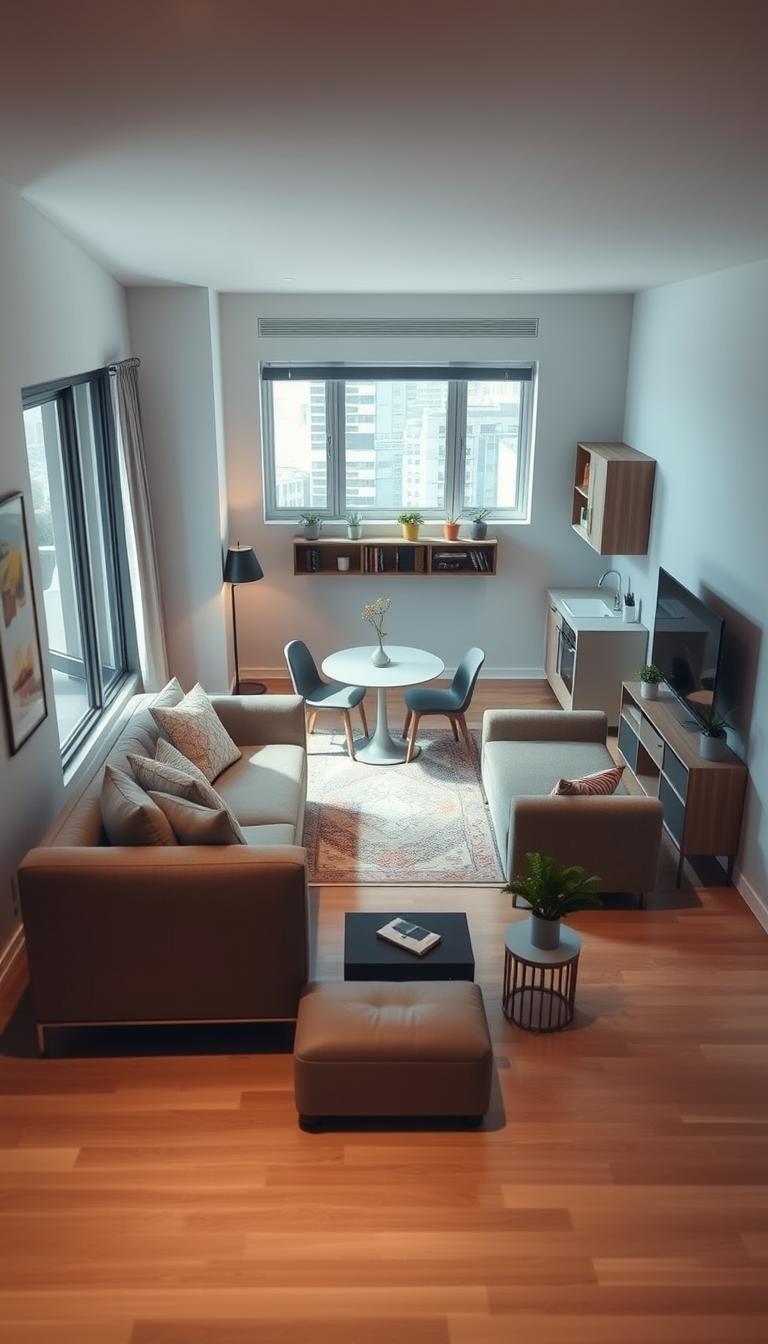
Rugs that anchor living, dining, and sleeping areas
I use one oversize rug per zone—living, dining, and sleeping—so each area feels grounded. Drew Michael Scott’s tip holds up in my projects: a larger rug simplifies visual lines and can make the whole space read larger.
Open bookcases and folding screens as subtle room dividers
Open bookcases pull double duty—display on one side, storage on the other—while suggesting a boundary without blocking light. A slender folding screen is renter-friendly; it creates a bedroom backdrop and tucks away for guests.
Ceiling-mounted curtains to create a sleeping nook
Ceiling curtains can cocoon a sleeping nook. Pick a fabric that glows with daylight and disappears when drawn back. I keep top shelves airy and heavy pieces low to balance visual weight. Aim for about a 60/40 split: mostly open lines, with softer separation for privacy.
“Test layouts with painter’s tape first—small shifts unlock better circulation.”
- Align rug edges with furniture footprints to guide circulation.
- Repeat one color or texture across zones for harmony.
- Use lightweight dividers and multipurpose furniture to keep the layout flexible.
Multifunctional Furniture That Works Overtime
What if a single piece of furniture solved seating, sleeping, and storage for your entire room? I look for items that do more than one job and do it well. That way the space feels calm and useful every day.
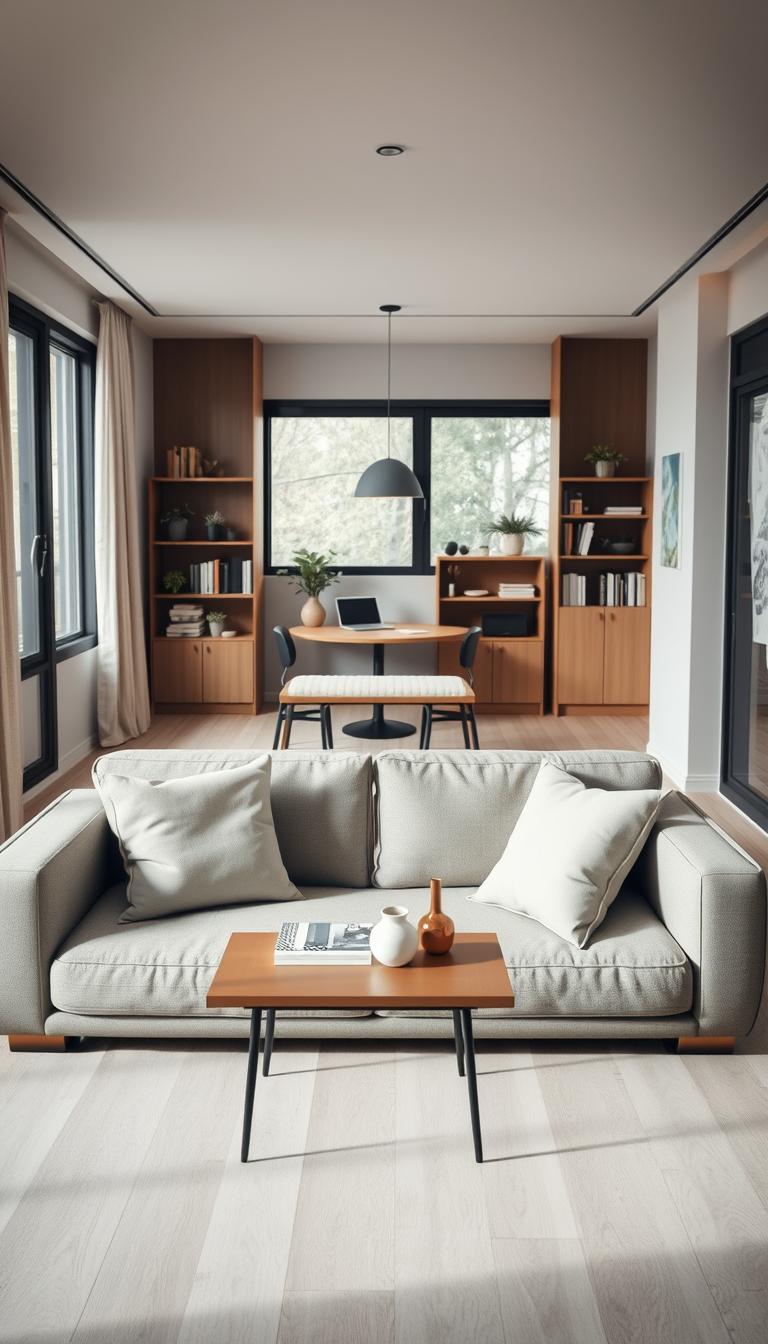
Daybeds make great living-room seating by day and a comfy bed at night. A quality mattress matters—sleep is part of good design. Add a bolster and the daybed reads like a couch for guests.
Murphy beds and drop-leaf tables hide clutter and free floor area. Fold a bed up, fold a table down—suddenly you have room to stretch, work, or host. Measure clearance and hardware before you buy.
“Concealed pieces let a room breathe while keeping belongings out of sight.”
- Storage ottomans stash throws, tech, and magazines.
- Nesting tables expand for hosting and tuck away after.
- Sculptural bookcases act like art—shelve a lamp above and baskets below.
- Pick rounded corners, matched finishes, and hidden charging to reduce visual clutter.
| Piece | Main Function | Why it Works in a Small Space |
|---|---|---|
| Daybed | Seating + Sleeping | Serves as sofa by day; comfy bed by night; styles easily |
| Murphy Bed | Sleeping + Floor Clearing | Folds up to create open floor for activities |
| Drop-Leaf Table | Dining + Desk | Compact when closed; roomy when opened |
| Storage Ottoman | Seating + Storage | Hides blankets and gadgets; adds extra seating |
Layout Strategies to Maximize Square Footage
Treat the longest wall as your anchor and watch the floor plan loosen up. I start there—place the bulkiest piece against that wall to free a generous center runway. This simple move clears the main floor and opens circulation instantly.
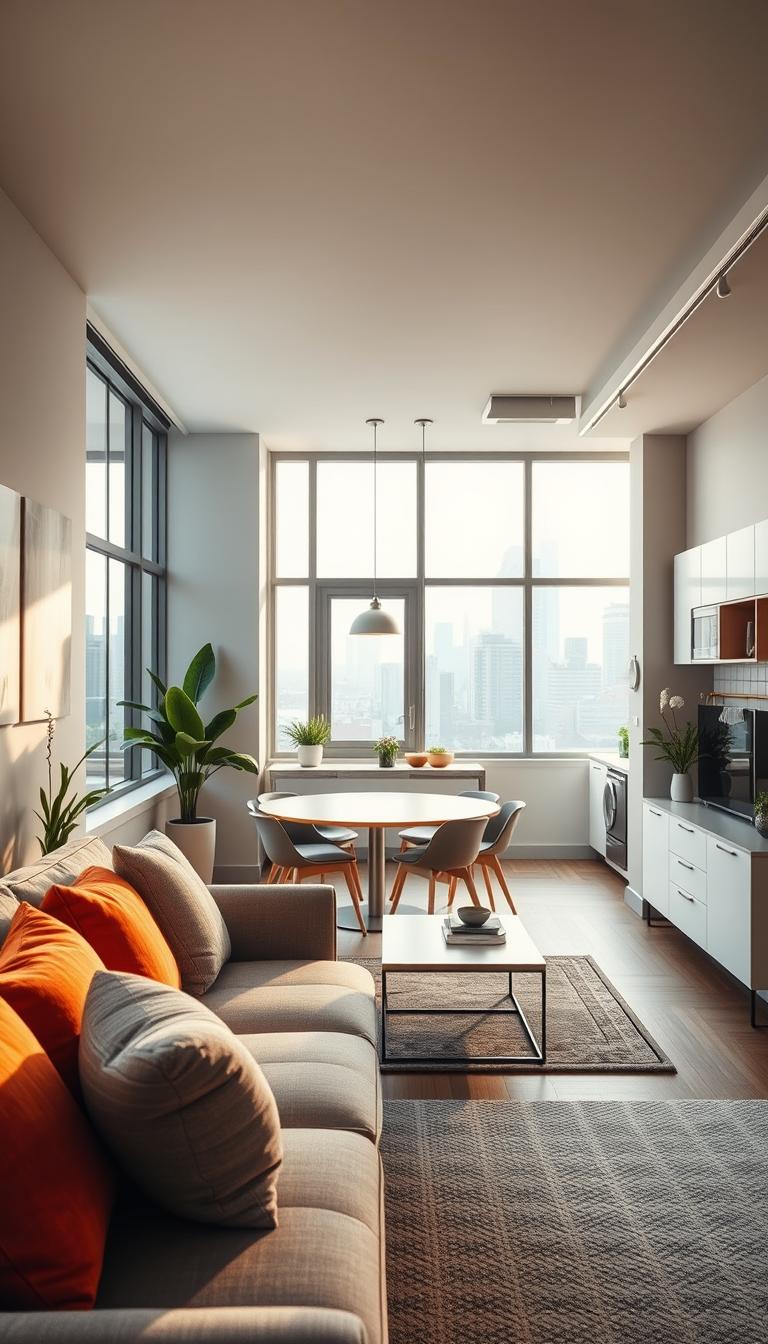
Position larger furniture along the longest wall to clear pathways
Anchor first, edit later. Big furniture on the perimeter keeps the center usable. I also keep tall pieces to the edges so sight lines stay long and calm.
Unconventional layouts: floating a bed with a dresser behind
Try floating a bed with a low dresser behind it. The dresser doubles as a headboard and a dressing zone. It creates privacy without a wall and keeps the room flexible.
Keep sight lines open to make the room feel larger
Designate at least 36 inches for main paths—this feels roomy and improves accessibility. Use lightweight, moveable furniture so you can pivot from work to dinner in minutes.
- One well-scaled cabinet beats three tiny chests that steal floor space.
- Place mirrors or metal legs opposite windows to bounce light down the longest axis.
- Low-profile rugs keep doors gliding and transitions trip-free.
“Give every zone oxygen around it so the whole plan breathes.”
Use Color and Paint to Expand the Room
A thoughtful paint plan can trick the eye and give a tiny footprint the illusion of depth and height. I favor simple moves that change how the whole plan reads.

One-hue schemes calm the eye. Paint the walls, pick matching upholstery, and carry that tone into window treatments. The result is a continuous plane that makes the whole space feel larger and more cohesive.
Layer paint blocks for height and depth
Try a large vertical band behind the bed or sofa. A painted rectangle acts like artwork and visually raises the ceiling. It’s an easy way to add architecture without losing inches.
Light colors and warm floors bounce daylight
Soft whites plus pale white oak floors amplify natural light. I used this combo in a north-facing studio and the space immediately felt open. Keep trim close in tone to walls so lines blend and the envelope expands.
- Monochrome moments stretch sight lines—use tone-on-tone for more color without chaos.
- Layer textures—bouclé, linen, matte ceramics—so one palette never reads flat.
- Sample paints on boards and move them by the window; light changes everything.
Tip: Keep large surfaces quiet and add pattern in pillows or art to preserve a serene style.
Result: A consistent palette connects zones, lifts ceilings visually, and makes your studio apartment feel calm, intentional, and easier to live in.
Let in More Natural Light
Designing with windows in mind flips the plan: daytime tasks go near glass, rest retreats to shadow. I arrange the layout so the living room and dining spots soak up the brightest hours. That simple swap improves mood and makes the whole space read larger.
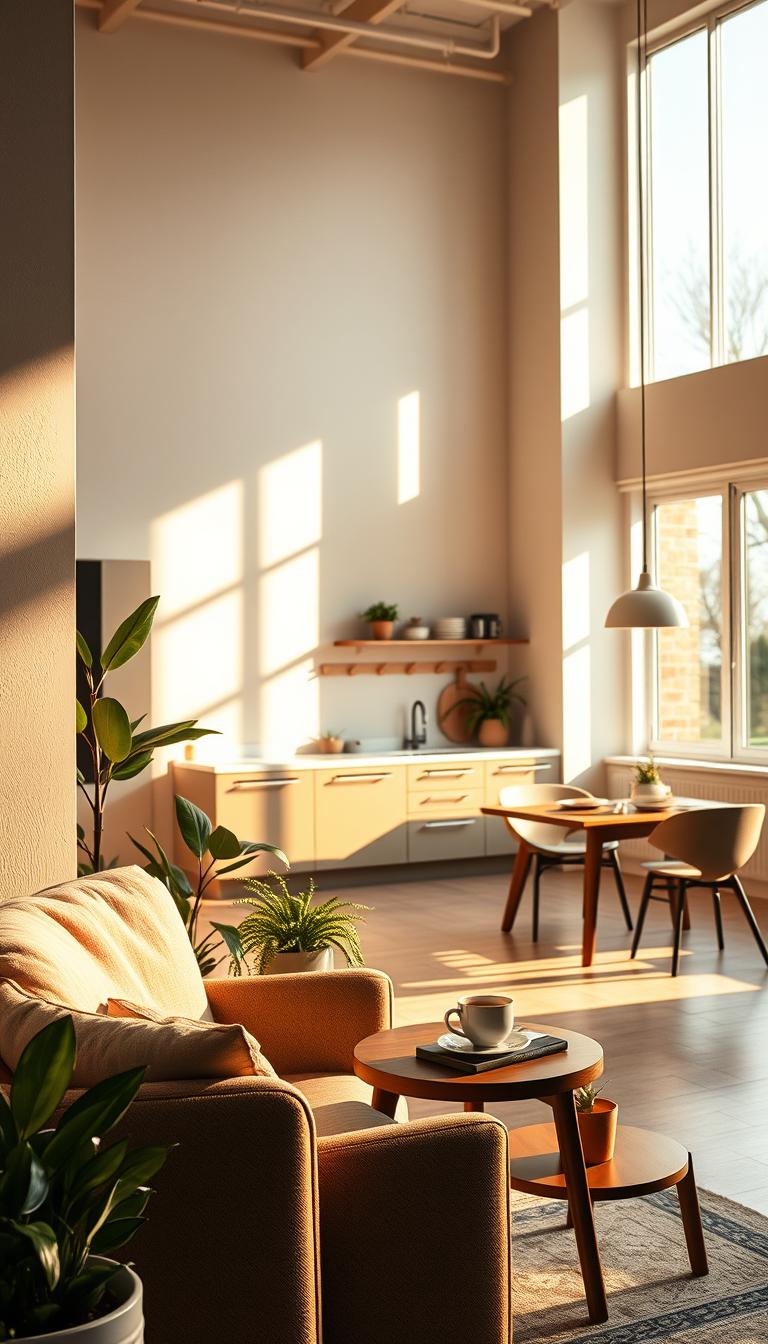
Place seating or a bistro table by the window—it becomes your morning ritual and a cheerful dining nook. If you can, add a bar-height counter there to double as dining and a laptop perch.
Tuck the bed into a dimmer corner. Low light cues the body for rest and keeps the sleeping zone calm and private. Use light-filtering shades for privacy without losing brightness.
- I draft plans around windows—bright spots fuel productivity.
- Keep sills clear and choose airy panels that disappear when open.
- Reflective surfaces opposite windows bounce daylight deeper into the room.
- Houseplants by the glass soften lines and thrive with morning sun.
“Arrange daytime activities toward light-filled zones and reserve cozy corners for sleep.”
Light Your Studio in Layers
Light does the heavy lifting in small rooms—it sculpts, hides, and celebrates. I design lighting so each zone feels purposeful and welcoming.
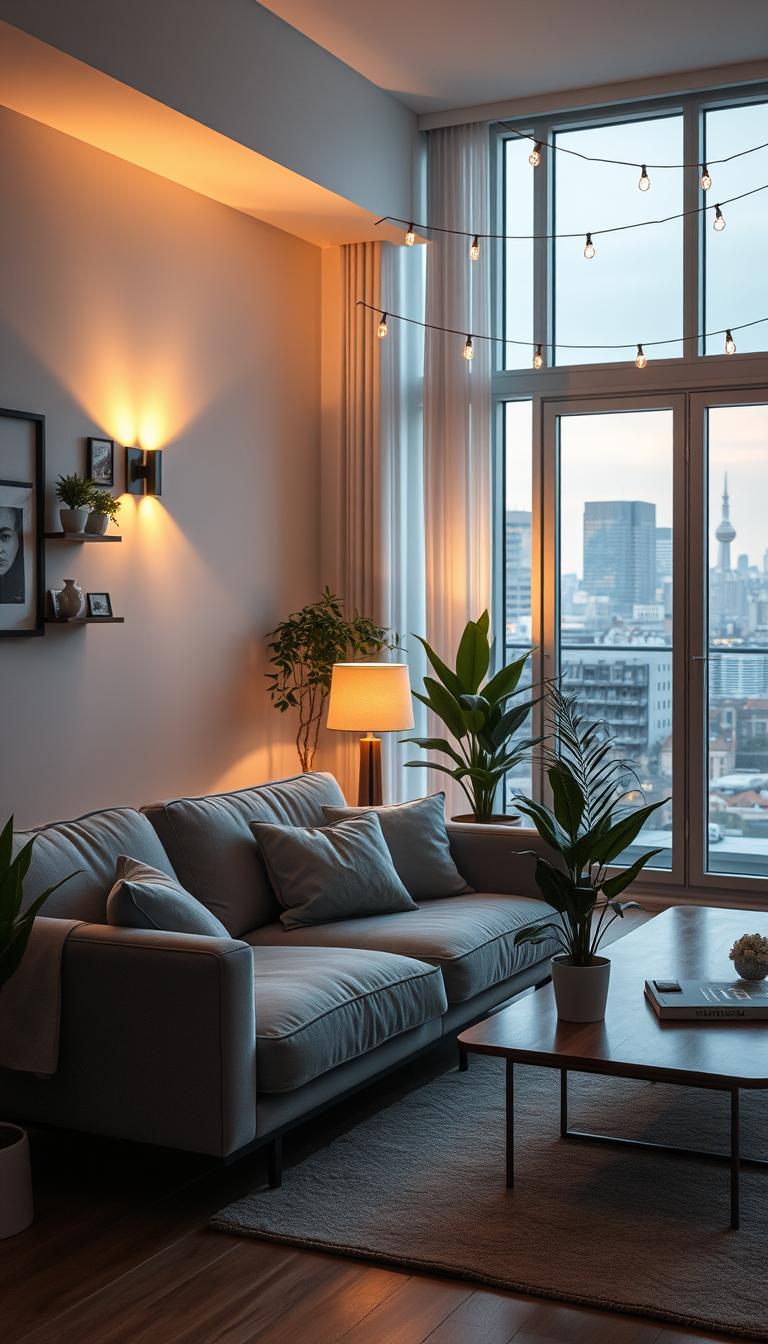
Wall sconces and art lights to spotlight and distract strategically
Wall-mounted fixtures save floors and add personality. I use sconces like jewelry — they free up surfaces and draw the eye toward good areas instead of awkward ones.
Art lights over a favorite piece create a focal point that visually organizes the living or bedroom side of your plan.
Task, ambient, and accent lighting for mood and function
I build a three-layer plan: ambient for overall glow, task for work or reading, and accent for drama and depth.
- Use warm-white bulbs (2700–3000K) in living and bedroom zones.
- Dimmers are non-negotiable—soft light helps the body unwind.
- Pair a small table lamp with a floor uplight to bounce glow and raise the ceiling visually.
- Clip-on lights and plug-in sconces make renter-friendly installs easy.
“Program smart bulbs for morning energy and evening wind-down to let light support your routines.”
Tip: Keep cords tidy with adhesive guides and reflect light with pale shades or satin metals to make the whole space feel larger and calmer.
Make Use of Vertical Space
Rising up instead of spreading out is my go-to trick for making a small footprint feel generous. When you build upward, the whole room gains height and function without crowding the floor.
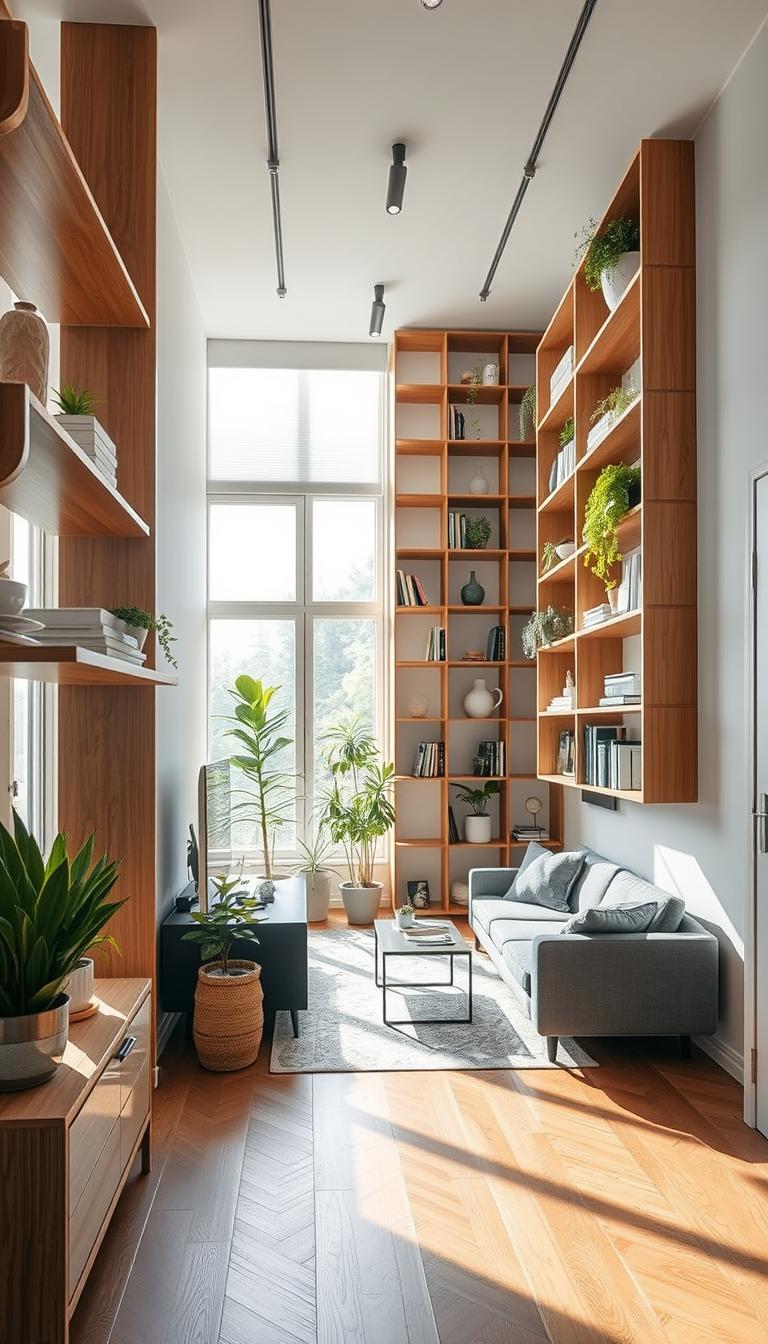
Floating shelves and tall built-ins to draw the eye up
I stack storage up, not out—tall bookcases and floating shelves lift sight lines and free precious floor area. Paint them the same color as the walls to make the system recede and the ceiling read higher.
Wall-mounted desks and lighting to free floor area
A wall-mounted desk creates a legit workstation with less bulk. Add sconces and picture lights to replace floor lamps and keep pathways open. Use closed cabinets at the bottom to hide cables and routers; keep open shelves higher for lighter items.
- Use the top 12–18 inches for display; reserve mid shelves for daily essentials.
- Align vertical elements to create rhythm—your eye travels upward and the space feels taller.
- Choose modular systems so you can add shelves later without a redesign.
- Secure tall pieces to studs for safety; slim profiles still need anchoring.
“Keep shelf styling tight: books, one plant, and an objet or two—less is calming.”
These vertical moves are low-effort but high-impact. They give you real storage and make a small space feel much more open—perfect for a cozy studio or a compact apartment.
Mirrors That Make Space Feel Larger
I often use mirrors to choreograph light and sight lines so a tight footprint reads much bigger. They’re a low-cost move that adds depth without taking inches away.

Mix floor-length and small accent mirrors to amplify light
Place a tall mirror opposite a window and you double the daylight. Add a smaller round or oval mirror nearby to bounce light at a different height. Together they make the whole space read more open.
- I treat mirrors like moveable windows—opposite glass they feel like extra daylight.
- Pair a floor mirror with small accents to reflect light from lamps and ceiling fixtures.
- Vary frames—wood, brass, or black—to add texture without clutter.
- Consider mirrored closet doors if you’re renovating—real storage plus reflection saves floor space.
- Renters can lean a large mirror against the wall for big impact with no holes.
“A mirror behind a lamp multiplies evening glow—use it to warm a corner rather than add another lamp.”
Create Intentional Separation for the Bed
A simple divider can turn a sleeping spot into a private, calm retreat without adding square footage.
I often use low, open bookcases at the foot of the bed to define a mini bedroom while keeping light flowing through the room.
Ceiling-track curtains are another easy trick. They slide closed for privacy at night and stack tight by day. Pick a breathable, light-filtering fabric so the nook feels restful, not boxed in.

Bookshelves and curtains that form a mini bedroom
Keep the bed lower than adjacent pieces so it never looms in the main space. A soft rug underfoot signals a different zone and anchors the sleeping area.
- I style the back of a divider with art or baskets so both sides look finished.
- Add a plug-in sconce and a slim shelf for a nightstand without crowding the floor.
- Hide under-bed bins behind a tailored skirt for stealth storage.
- Choose a slightly deeper palette in the nook—cozy tones cue the brain for rest.
- Make sure the divider doesn’t block HVAC or window access; comfort always comes first.
“A thoughtful divider turns a bed from an island into a contained, restful place.”
| Solution | Benefit | Best For |
|---|---|---|
| Low open bookcase | Defines bed zone, allows light flow | Small rooms that need visual separation |
| Ceiling-track curtains | Instant privacy; stacks away when open | Renters or flexible layouts |
| Folding screen | Portable, renter-friendly divider | Temporary separation or guest setups |
Low Beds for Airier Proportions
Lowering the bed changes a room’s vertical rhythm and can make ceilings feel miles taller. I recommend a slim platform or a mattress set close to the floor to keep the silhouette light.
Dropping height opens vertical breathing room—your ceiling reads higher and the whole space feels calmer. A minimal platform or a floor mattress trades frame bulk for a serene vibe.
Keep adjacent nightstands low so the group reads proportional. Choose a low-profile headboard or paint a headboard rectangle on the wall to avoid extra depth.
- Layer texture—linen duvet and a woven throw—for warmth without weight.
- Pick shallow under-bed drawers if you need storage; avoid tall risers.
- Mount a low reading sconce to keep lines cohesive and tidy.
“A tatami-inspired mat and long, pooled curtains will make the wall feel taller by contrast.”
Practical note: vacuum under low setups often; dust gathers faster near the floor. These small moves make a studio or apartment bedroom feel calm and airy without sacrificing comfort.
Smart Storage Solutions for Small Spaces
Clutter hides in odd corners; a smart built-in can turn an awkward niche into a hero storage spot.
I like solutions that look custom but don’t cost a fortune. Wall-to-wall dressers can swallow clutter and leave room above for shelves or lighting. They tame a busy wall and give you a clean surface for daily items.
Wall-to-wall dressers and custom nooks
Scan walls for underused niches. A continuous dresser with trim reads built-in. Add a gallery of shelves above to stack function vertically without closing the room in.
I once turned a tight hallway into a dressing nook with trim, paint, and IKEA pieces—and my client cheered every time she opened a drawer.
DIY walk-in closet with dividers and shelving
Create a real dressing bay in a corner: use a tall bookcase, a hanging rod, and a curtain. Add LED strips or a plug-in sconce so getting dressed feels luxe, not cramped.
- Choose uniform bins and labels to keep visual calm.
- Store off-season items up high; keep daily pieces at waist height.
- Use the back of doors for hooks and slim racks for belts and bags.
- Try built-in-looking IKEA hacks—trim and paint stretch budgets and inches.
“Audit monthly: editing is the cheapest storage solution there is.”
| Solution | Where to Use | Why It Works |
|---|---|---|
| Wall-to-wall dresser | Long wall or awkward niche | Maximizes hidden storage and frees floor space |
| Bookcase + rod + curtain | Corner or alcove | Creates a DIY walk-in closet without construction |
| High bins + labels | Top shelves and under-bed | Keeps rare items out of daily sight for a calmer room |
Want more compact-living tips? See this space-saving guide for detailed ideas that pair well with these storage moves.
Style With Personality: Mix Old and New
Mixing vintage finds with clean-lined pieces gives a collected look that still breathes. I favor small, meaningful accents over crowded surfaces. That keeps the room calm and layered.
Petite antiques with modern silhouettes
Petite antiques with modern silhouettes to avoid visual clutter
I often pair a petite antique chair with a lean modern table. The heritage touch adds character and the slim modern piece keeps visual weight low.
- Refinish or reupholster heirlooms in light fabrics to modernize them.
- Use vintage storage—trunks or apothecary chests—to hide clutter and add story.
- Keep finishes consistent—two metals max—for a cohesive small space.
Maximalist moments through careful scale and editing
One bold pattern or a statement lamp can be your maximalist moment. Everything else stays edited so the space reads intentional, not chaotic.
“Curate, then edit—leave negative space so the eye can rest.”
For more mixing tips see small apartment ideas. A curated palette across frames unifies eclectic pieces and makes art feel planned.
Flexible Seating and Dining Hacks
Flexible seating is the quiet workhorse of a compact living plan—tiny swaps, big payoff. I pick pieces that breathe, move, and serve more than one purpose so the whole space stays calm and useful.
Vary styles to preserve negative space
I mix airy silhouettes—slim side chairs and a petite lounge—so the composition breathes. Legs visible under furniture keep the floor light, and armless chairs save crucial inches.
Stools at the counter and a banquette in place of a sofa
Counter stools that tuck under the counter clear floor fast. A generous banquette often outperforms a sofa: it becomes a work spot by day, a dining bench at night, and a cozy lounge anytime. Choose a round table to soften circulation and seat more without crowding.
Double-duty spare seating
Let a sturdy stool moonlight as a nightstand. Add a tray and you’ve got a stable landing pad. Nesting tables handle guests, then tuck away to restore calm. Upholster key pieces in performance fabric so they clean up easy and last longer.
- I keep seat heights measured so mixed pieces feel intentional.
- Use visible legs and light finishes to make a room read larger.
- Think of extra seating as portable surfaces when you need them.
“A few well-chosen seats let the room stretch and still feel ready for company.”
Edit Visual Clutter to Keep the Room Calm
Clearing visual noise is the fastest way to make any small room feel like it breathes.
I coach clients to treat surfaces like stage sets: one clear focal plane, one tray for essentials, and everything else stowed away. This simple editing habit transforms how you use the space and how the home feels each day.
Keep surfaces clear and store knickknacks on windowsills
Use windowsills as tiny galleries when tabletops are tight. A line of small ceramics or a single plant reads curated, not cluttered.
I set a rule: one tray per surface. Keys, chargers, and daily papers have a home. Stash rarely used appliances to free visual space in the kitchen. A five-minute nightly reset keeps things calm and prevents stacks from growing.
- Closed storage for high-traffic zones; open shelves for a few beautiful, useful items.
- Color-edit books and objects to tighten the palette and let the eye rest.
- Use cable management to remove cord chaos around media and desks.
| Rule | Benefit | Quick Action |
|---|---|---|
| One tray per surface | Reduces decision fatigue | Pick a tray and limit items to essentials |
| Windowsill displays | Saves tabletop space | Group three to five small pieces |
| Nightly five-minute reset | Keeps space tidy daily | Return items to their homes before bed |
“Empty space is not wasted—it’s breathing room for you and your studio.”
These small edits are an easy way to keep a studio apartment feeling open, calm, and truly livable.
Conclusion
A few deliberate moves can turn compact square footage into a calm, active home. I’ve found that clear zones, multifunctional pieces, and a light-first paint plan change how a space reads and feels.
Use rugs and dividers to define zones softly. Keep main paths open, pick a daybed or Murphy bed that tucks away, and let mirrors and vertical storage multiply daylight and storage.
For practical studio apartment ideas and apartment ideas, start with one zone. Make that spot work beautifully, then let the rest follow. With smart edits, a small room can feel larger, lighter, and unmistakably yours.