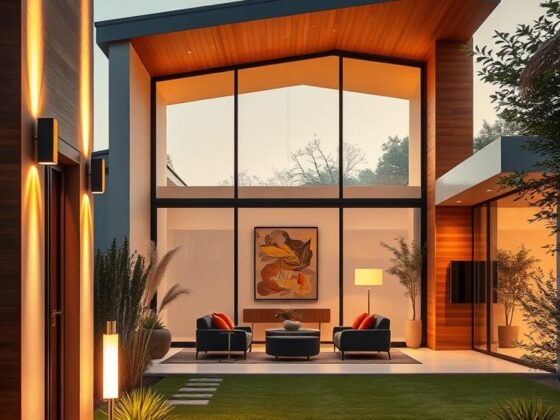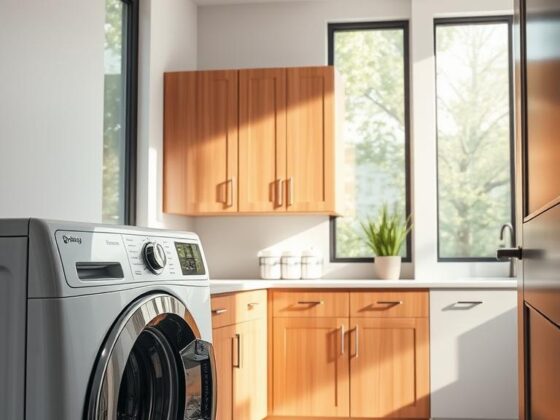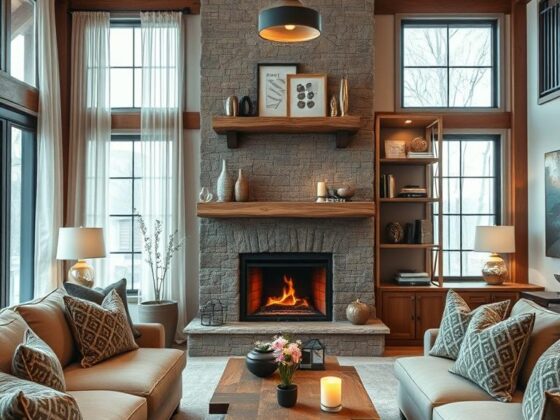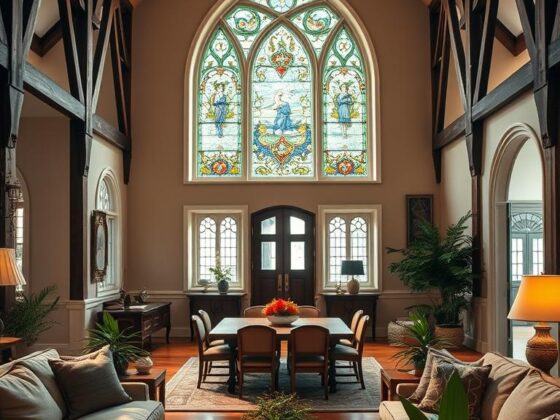
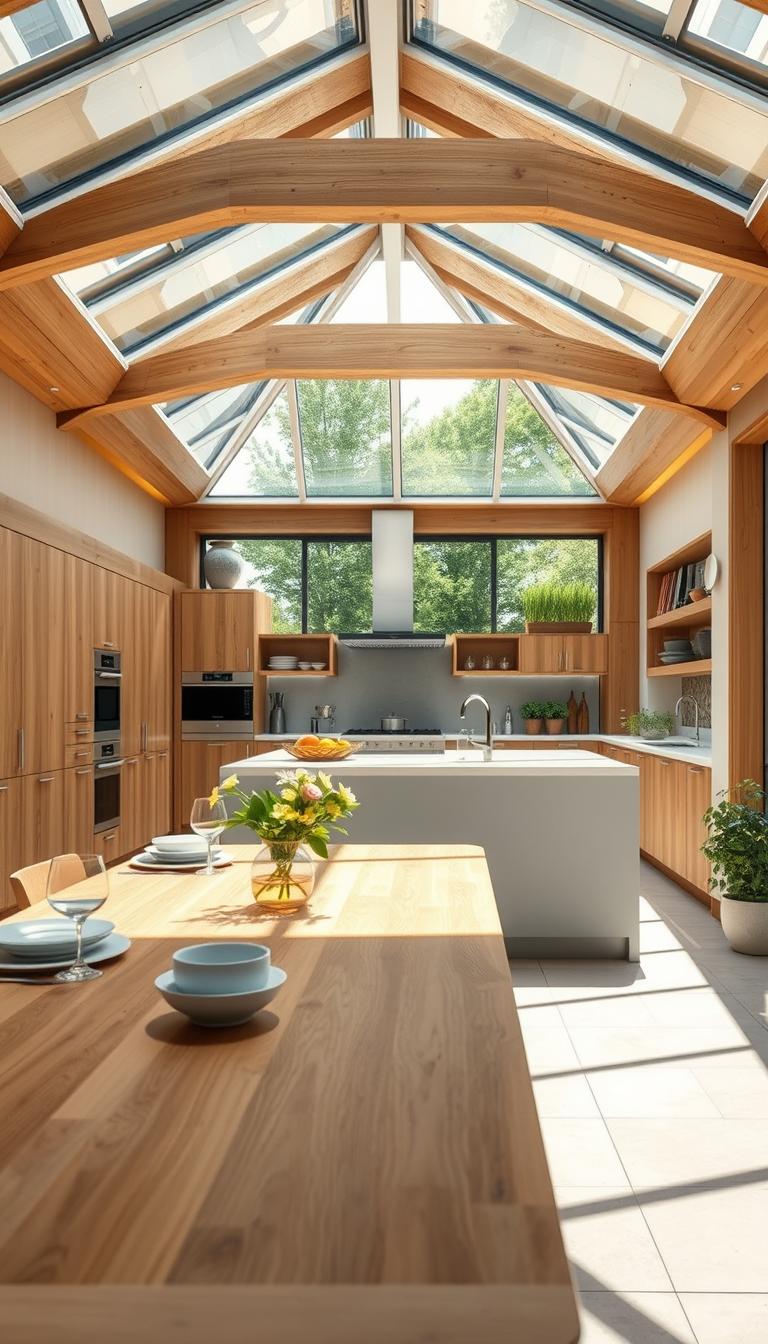
Ready to rethink how your room feels at 7 a.m. and 7 p.m.? I ask that on every remodel. A single opening above can shift mood, improve visibility, and make a modest room feel larger without adding square footage.
I’ve learned that a well-placed skylight brightens the cook zone and dining nook while freeing wall runs for tall storage. That simple swap—from wall to ceiling—lets you reclaim space and add function.
Design choices matter early. Product selection, flashing, and placement affect cost and timeline. Plan this decision at the start of your project so you avoid surprises during labor and finishing.
Beyond looks, there’s wellness. Daylight improves mood and sleep, and task-quality light makes cooking easier. In short: the right opening gives visual comfort, resale appeal, and long-term benefits.
Key Takeaways
- One ceiling opening can change a room’s mood across the day.
- Moving light to the ceiling frees wall space for storage.
- Plan placement and product early to control cost and schedule.
- Daylight supports wellness and improves task visibility.
- I’ll guide you through options so your project stays on budget and on time.
Essential benefits of a Skylight Kitchen for brighter, healthier living
Daylight from above changes the way a room lives. I’ve seen daily routines shift when steady natural light arrives—morning coffee tastes brighter and sleep evens out as bodies get consistent cues from daylight.
Daylight that boosts mood and supports healthy sleep
Exposure to continuous daylight helps regulate circadian rhythms. That means better mood and more consistent sleep for everyone in the home. It’s simple science with obvious, feel-good results.
Fresh air ventilation to cut cooking pollutants
Venting models work like a chimney. Crack them during cooking to let steam and odors escape upward, improving indoor air quality without always running a hood fan.
Energy-smart lighting that lowers utility costs
Soft, diffuse light from above reduces daytime electric use. You rely less on fixtures and save energy over time—good for bills and for the planet.
Design freedom and resale upside
Move a wall window up and free that wall for taller storage or open shelves—great for small kitchens. And buyers notice bright, airy rooms; a well-placed ceiling opening signals care and can raise home value.
“Standing under a slice of sky while you chop herbs brings a calm, grounded energy to everyday life.”
Skylight Kitchen design essentials: ideas, options, and placement that work
Putting light overhead changes how a room reads—more depth, less clutter. I start by matching the product to the job: remote-controlled VELUX solar powered fresh air units with rain sensors for hands-off ventilation, or fixed and manual models when budget and simplicity matter.

Ceiling and roof realities
Vaulted ceilings give you a straight shot to the roof and simpler installation. Flat ceilings often need a drywall light shaft, which adds labor and materials.
Sizing, spacing, and glare control
I favor two smaller openings over one big one to spread light across prep zones. Use low-E glass and light-filtering shades to cut heat and harsh midday glare.
- Storage tip: Move the window to the ceiling and reclaim the wall for tall cabinets.
- Palette tip: Daylight balances deep finishes and reveals texture.
- Placement: Angle openings for sky views while protecting neighbor sightlines.
“When skylights open, they create stack ventilation—cool air in low, warm air out above.”
| Scenario | Best option | Why |
|---|---|---|
| Need air + automation | Solar fresh air unit | Remote control, rain sensor, ventilation |
| Pure daylight, budget tight | Fixed skylights | Lower product cost, simpler install |
| Vaulted ceiling | Direct roof window | Straight install, less drywall |
| Flat ceiling | Light shaft with glazing | Guides light deeper into the room |
Budget, installation, and planning guidance for your project
Budgeting a ceiling opening starts with the product price, then grows with the roof and finish work. Plan roughly $550 to $3,500 per skylight product, then add labor and materials based on site conditions.

Typical ranges and what moves the needle
Vaulted ceilings are usually simpler and cheaper to open. Flat ceilings need a drywall light shaft, which adds carpentry, insulation, and finish time.
Real numbers and smart savings
I’ve seen small galley installs land near $7.4K and larger high-end rooms approach $11K. One homeowner saved big when the work coincided with a roof replacement—installation labor dropped to just a few hundred dollars.
Estimate wisely: use national calculators only as a guide and validate with two local contractor bids. If you want deeper reading, check this skylight design and costs guide for more detailed numbers.
Schedule product delivery with your roofer and drywall crew. Add a small contingency for paint and trim. And take attic photos during rough-in—those images are useful for future support and maintenance.
Conclusion
One thoughtfully placed ceiling opening can transform how people use and feel in a room. If you take one idea with you, let it be this: a skylight turns the everyday kitchen into a brighter, healthier room where people want to spend time.
I recommend choosing options that suit your life — fixed for pure daylight, or solar fresh-air units for hands-off ventilation and comfort. Plan around your roof and ceiling so the opening washes counters and the island with soft, diffuse light.
Ready to sketch ideas? Capture inspiration photos, note the view you want to frame, then talk with a local contractor to validate cost and installation timelines. For more design ideas and practical guidance, see this kitchen skylights guide.