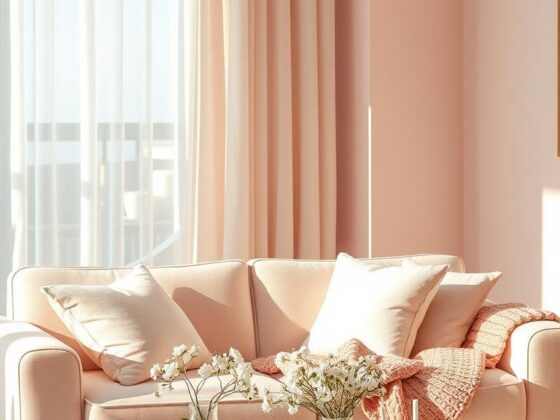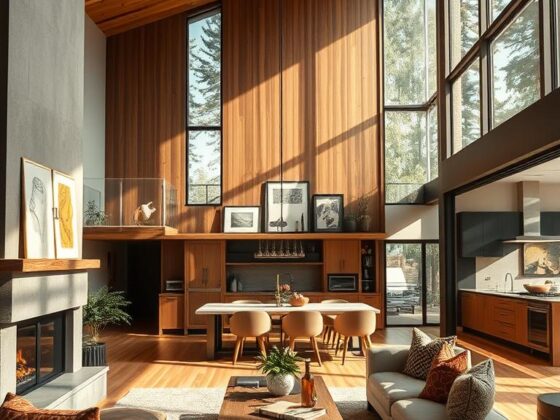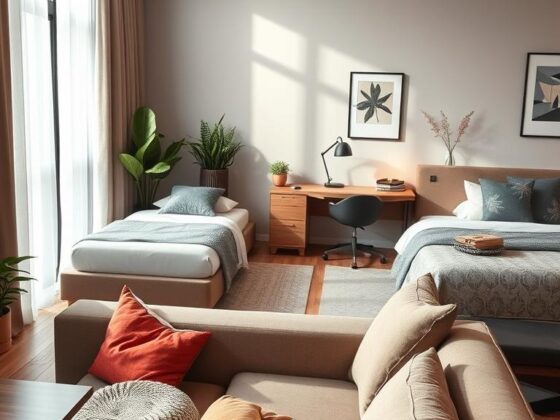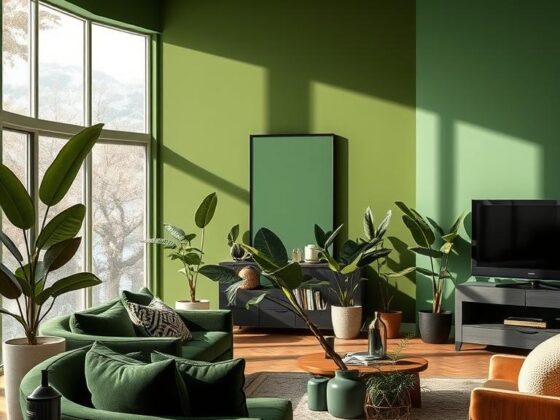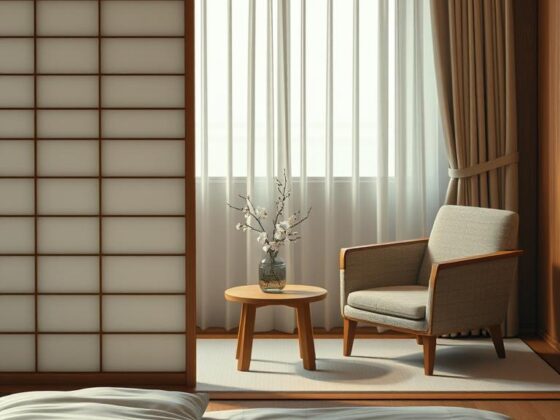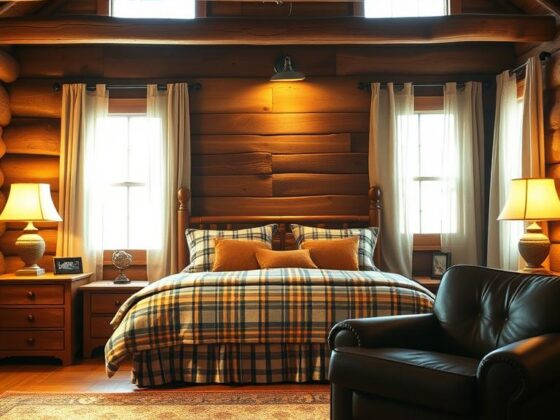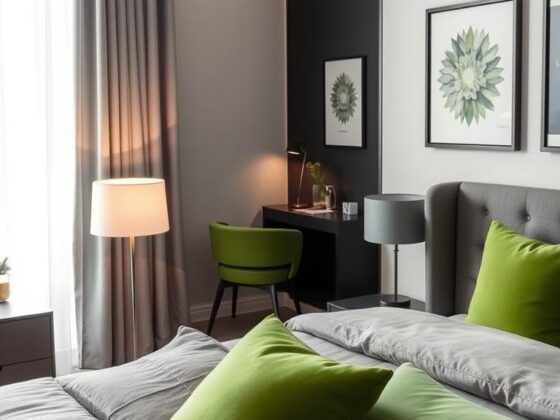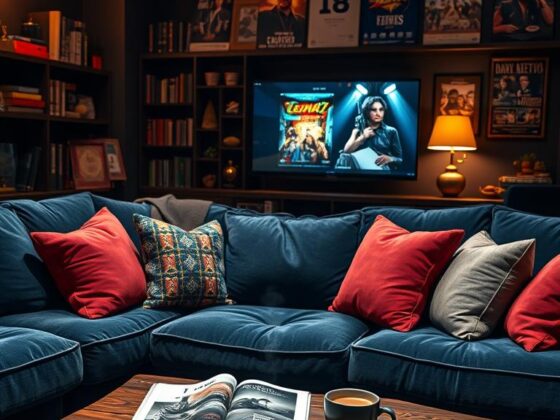

Can a room truly calm you the moment you step inside? I ask that because this style does exactly that — it balances function and warmth so your space feels both useful and inviting.
I taught clients to pare down, pick better pieces, and use soft textures to make rooms feel lived in. I’ll show how neutral colors, light woods, and clever touches of natural light work like wellness tools.
We’ll trace the movement’s roots, name practical materials, and give small swaps that add up. Expect tips that fit real life and real budgets — thoughtful edits, not empty minimalism.
Curious how to make long winters feel cozier and bright days feel restful? Let’s map the journey together, with simple room-by-room moves you can try this weekend. For a deeper look at classic elements, see a brief history and examples on this overview.
Key Takeaways
- Beauty + utility: The style calms and functions at once.
- Neutral colors and light woods act as a calm, cohesive palette.
- Natural light and warm lamps are essential mood tools.
- Choose fewer, better items that hold up to daily life.
- Small, budget-friendly swaps can transform rooms quickly.
What Is Scandinavian Design? The Warm Minimalism Behind the Aesthetic
Imagine a room that breathes—simple forms, gentle textiles, and every item working hard for comfort. I call that warm minimalism: pared-back lines, soft textures, and a focus on everyday functionality.
At its heart, scandinavian design pairs neutral palettes with natural materials like ash, beech, and pine. Windows stay uncluttered by day to capture as much light as possible. At night, small pools of lamp or candle glow make rooms feel intimate and calm.
Hygge is a Danish concept—a mood you cultivate with wool throws, sheepskin rugs, and layered textiles, not a shopping list. The region includes Norway, Sweden, and Denmark; Finland and Iceland are nearby countries often included in the broader conversation.
“Clean, cozy, and useful—this style makes everyday life feel easier.”
- Quick takeaway: scandi design emphasizes calm, utility, and tactile warmth you can recreate at home.
The History of Scandinavian Design: From Early 20th Century Roots to a 1950s Icon
Over the 20th century, makers moved from ornate curves to honest materials and simple lines. I like to tell clients that the best pieces carry a story you can see in their joinery and grain.
From Art Nouveau to Modernism: Nature, clean lines, and the return to craft
Early 20th-century Art Nouveau celebrated organic forms and decorative craft. After World War I, modernism pushed for restraint—less ornament, more purpose.
Post-World War II functionalism and the rise of a democratic movement
Postwar functionalism made good furniture affordable. Cities drew rural makers into studios, so woodworking skills met industrial thinking.
How the 1950s exhibitions and the Lunning Prize amplified the style in the United States
The 1930 Stockholm Exhibition marked a turning point. Then, in the 1950s, the traveling “Design in Scandinavia” tour and the Lunning Prize helped launch many designers abroad.
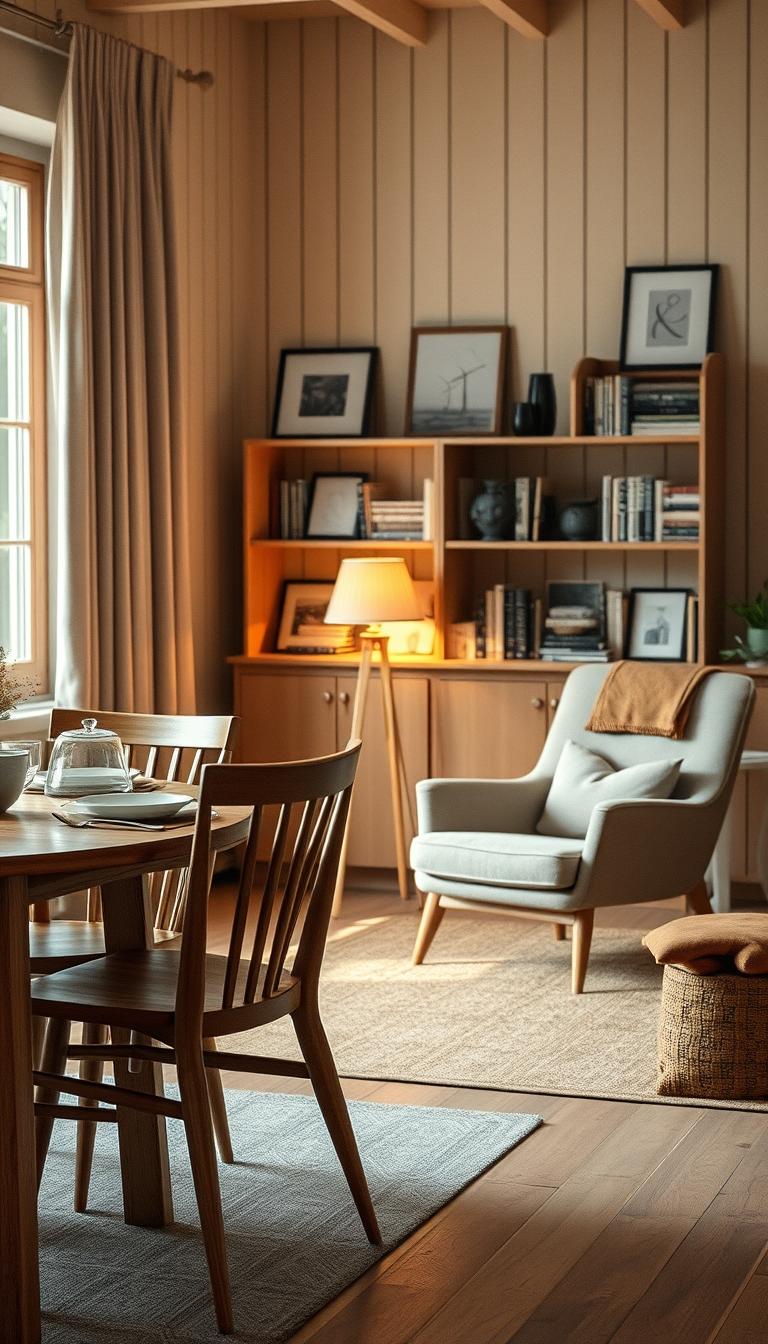
Key milestones and lasting impact
Figures like Alvar Aalto and Arne Jacobsen showed how plywood curves and sculptural seating could be both beautiful and useful. By midcentury, light woods, neutral colors, and refined engineering made these pieces timeless.
“Good design should be democratic, honest, and made to last.”
Scandinavian Design: Core Characteristics You’ll See in Real Interiors
Good interiors feel intentional — every object earns its place and purpose. That intentionality is the backbone of this style: calm palettes, honest materials, and measured edits that let rooms breathe.

Minimalism with purpose: clean, clutter-free spaces
I edit surfaces and hide visual noise so negative space can speak. Fewer objects make a room feel calm and easier to maintain.
Functionality first: form follows function in every room
Every piece must earn its keep. Think storage sofas, benches that tuck away, and lighting that doubles as mood and task light.
Light as a design element: maximizing natural light in long winters
Keep windows bare where you can. At night, layer table and floor lamps to create soft pools of warmth.
Texture and coziness
Wool throws, linen cushions, and a sheepskin soften clean lines. These tactile textures add warmth without clutter.
| Characteristic | Typical Materials | Practical Tip |
|---|---|---|
| Minimalism | Neutral palette, light woods | Edit surfaces weekly |
| Functionality | Storage seating, simple hardware | Choose multi-use pieces |
| Light | Unadorned windows, soft lamps | Layer lighting for evenings |
| Texture | Wool, sheepskin, linen | Add one tactile element per vignette |
Color, Light, and Natural Materials: The Palette and Elements of Scandi Style
A smart palette and layered lighting change how a room breathes all year. I start with pale walls and large pieces in white, ivory, or soft gray. These neutral tones help rooms feel calm and make the most of scarce winter light.
Then I add one or two earthy accents—rust, sage, or charcoal—to give depth. Use color sparingly: an accent chair, a ceramic vase, or a single framed print can shift the mood instantly.
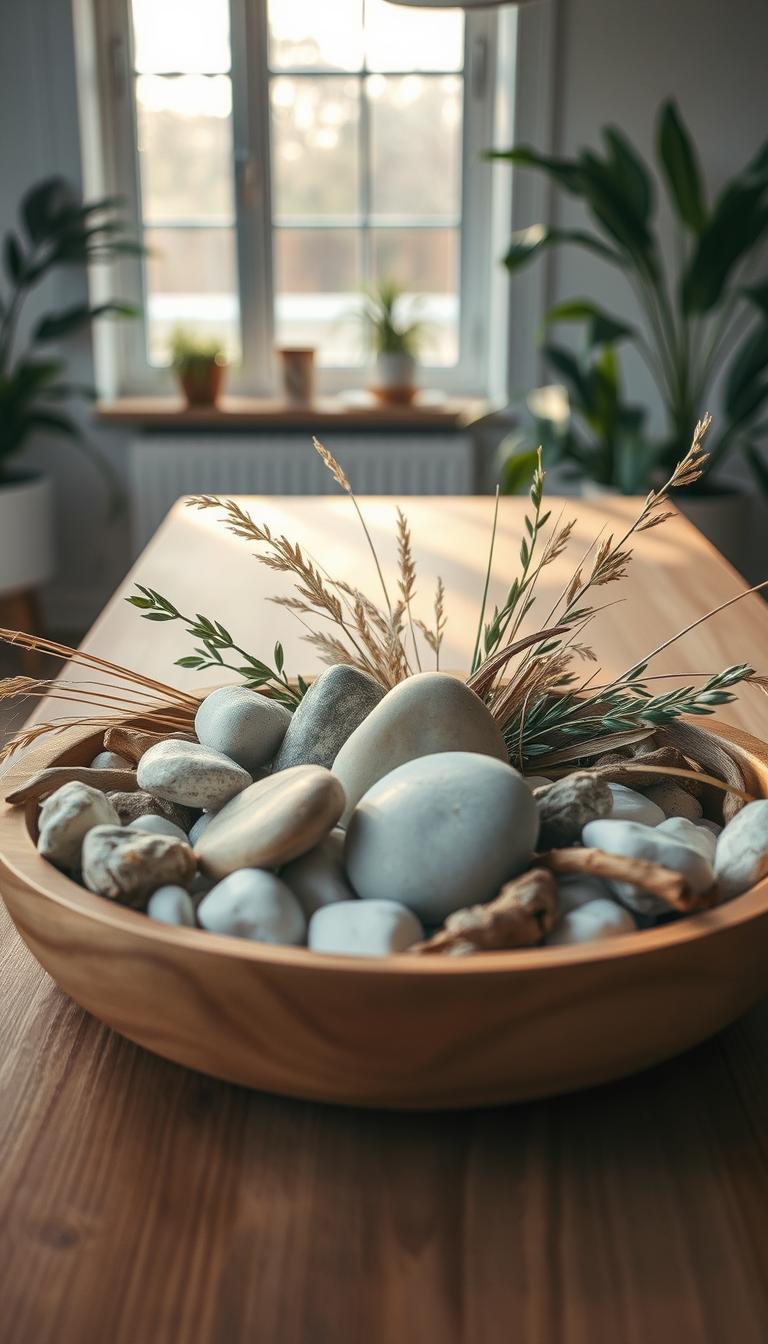
Lighting and layer strategy
Daytime is about unadorned windows and reflected light. At night I build islands of warm lamp light—table lamps, floor lamps, and candles—for intimacy and function.
Signature woods and tactile materials
Choose ash or beech for brightness, pine for warmth. Echo those grains in frames or small furniture to tie the space together.
Natural materials matter. Wool rugs, a sheepskin throw, and cane or rattan accents add texture and breathability without clutter.
“White walls and light floors act like reflectors—simple, practical, and quietly beautiful.”
| Element | Typical Choices | Why it works | Quick tip |
|---|---|---|---|
| Palette | White, ivory, gray, tan, rust | Bounces light and stays calm | Start neutral; add one accent color |
| Lighting | Unadorned windows, table lamps, candles | Maximizes daylight; creates cozy zones | Map lights by activity |
| Wood | Ash, beech, pine | Light grain lifts small spaces | Match small pieces to main wood tone |
| Materials | Wool, sheepskin, cane, rattan | Adds warmth and tactile contrast | One tactile item per vignette |
- Practical: Use walls like reflectors—lighter finishes amplify winter light without feeling stark.
- Balance: Mix matte paint with tactile textiles so the room feels layered, not flat.
Scandinavian Furniture and Designers: Iconic Pieces, Lines, and Names to Know
Good furniture feels inevitable—like it was always meant for that corner.
IKEA changed how people live with clean-lined, affordable pieces. Founded in 1953 by Ingvar Kamprad, the brand translated high principles into flat-pack reality and made minimalist furniture accessible to millions.
Key figures shaped the movement: Alvar Aalto’s organic plywood curves, Arne Jacobsen’s sculptural silhouettes (Egg and Swan), Hans Wegner’s joinery-forward chairs (Wishbone), Eero Aarnio’s playful plastics, and Børge Mogensen’s people-first pieces.
These makers and houses—Fritz Hansen, Georg Jensen, Louis Poulsen—turned craft into icons. The PH Artichoke lamp is one memorable example of form meeting function.
How to spot and pair classic lines
Look for honest materials, clean joinery, and ergonomic intent. Let single icons breathe: give them negative space so their shape reads as sculpture rather than clutter.
- Sourcing: seek vintage Fritz Hansen for originals; verify joinery and labels.
- Mixing: pair one high piece with simpler, budget-friendly furniture for balance.
- Context: awards like the Lunning Prize and 1950s tours helped launch many careers and seeded today’s market.
| Designer / Maker | Signature piece | What to look for |
|---|---|---|
| Alvar Aalto | Curved plywood armchair | Organic grain, smooth bent forms |
| Arne Jacobsen | Egg, Swan | Sculptural silhouette, molded shells |
| Hans Wegner | Wishbone chair | Exquisite joinery, hand-crafted details |
| Fritz Hansen / Louis Poulsen | PH Artichoke, collaborations | Refined lighting, maker marks |
Want more on individual makers and authentication? Check my short list of iconic designers for deeper reads.
How to Bring Scandinavian Design into Your Home: Practical Tips for Every Space
Start by treating light and layout as your highest priorities—everything else supports that choice. I plan rooms so sight lines meet windows and light carries through. That simple move makes small spaces feel larger and calmer.

Living room
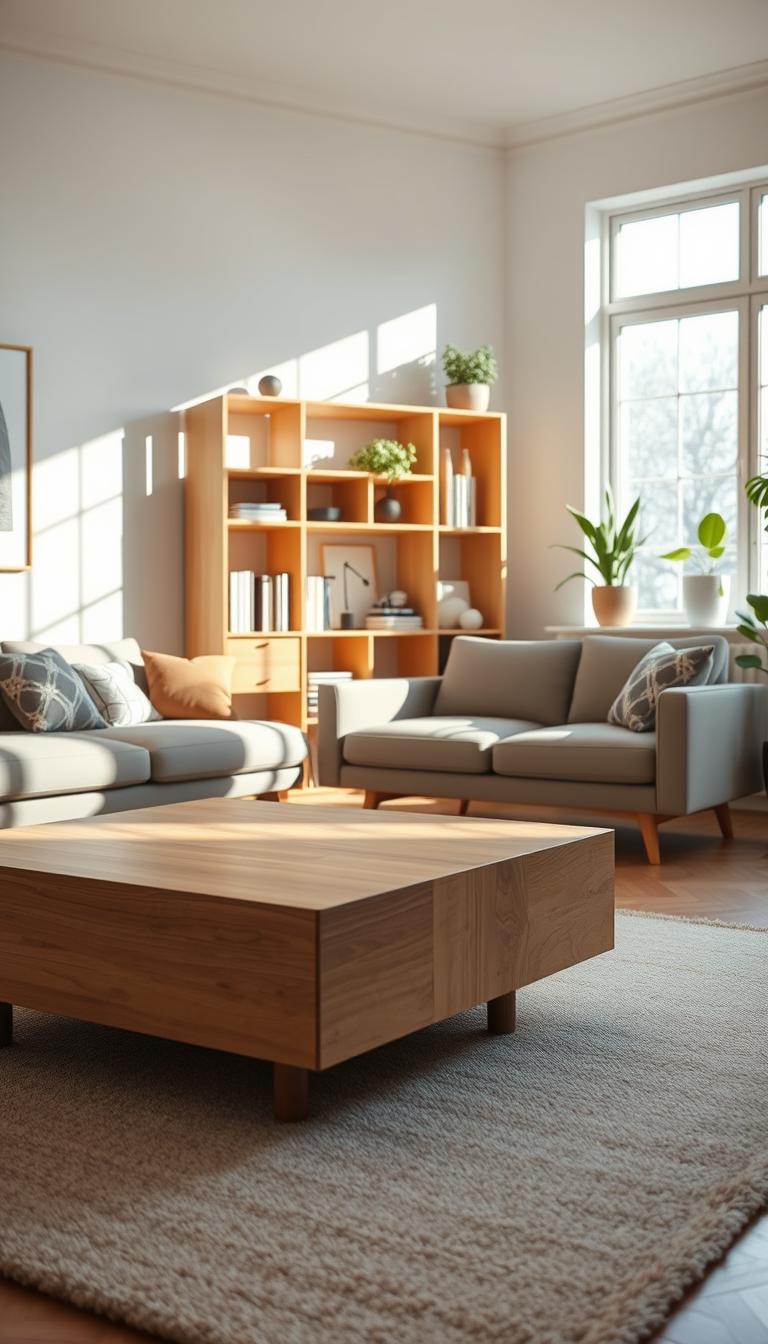
Choose a pale-wood coffee table and a streamlined sofa. Layer textiles—wool throw, woven cushion—to soften corners and boost comfort.
Add resilient plants and one or two thoughtful decor items so the room breathes without clutter.
Bedroom
Keep walls white and bedding neutral to reflect light. Nightstands stay uncluttered; swap heavy curtains for sheers.
A wool throw or sheepskin adds warmth while keeping the layout unfussy.
Kitchen and dining
Prioritize hidden storage and simple lines. Warm wood tones on stools or cabinets add tactility and longevity.
Use pendant lights to create intimate islands over the table.
Small spaces & styling essentials
Pick space-saving furniture—nesting tables, wall shelves—and keep floors clear. Pull pieces a few inches off walls to improve flow.
Style with fewer, better objects: one statement chair, a sculptural vase, a framed textile, plus a subtle color accent like sage or rust.
| Area | Key move | Materials | Quick tip |
|---|---|---|---|
| Living room | Layer textiles | Pale wood, wool | One plant + one book |
| Bedroom | Reflect light | White walls, linen | Sheer curtains |
| Kitchen/Dining | Hide storage | Warm wood, simple hardware | Pendant islands |
| Small spaces | Clear floor | Nesting tables, wall shelves | Pull furniture off walls |
Maintenance matters: choose washable slipcovers, sealed wood finishes, and durable rugs so the look lives well with everyday use. That way the style stays beautiful and useful—just as it should.
Common Mistakes and Myths: Getting Scandi vs. Nordic Right and Avoiding Over-Minimalism
Let’s clear up a few common confusions so your room actually feels lived-in, not staged.
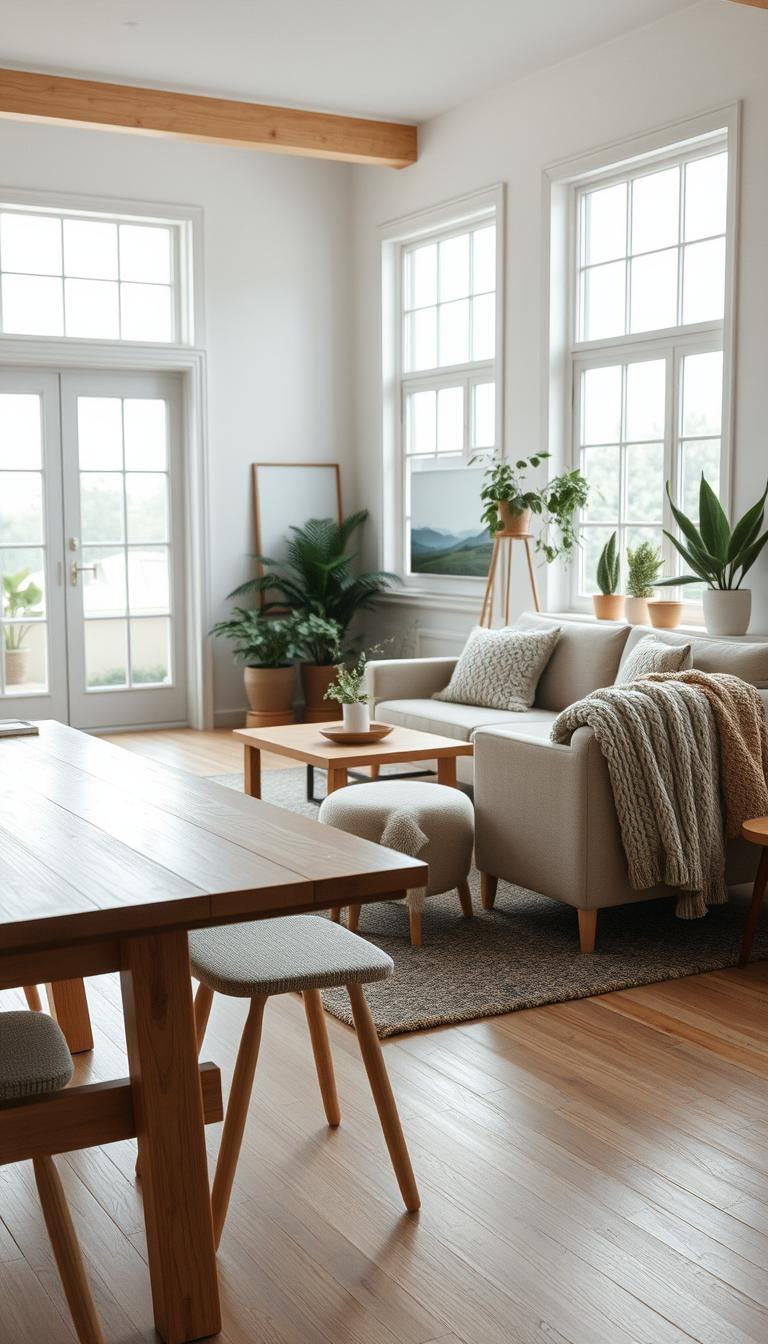
Geography matters: Scandinavian refers to Norway, Sweden, and Denmark. Finland and Iceland are Nordic cousins often grouped with them because of climate and shared craft traditions.
Hygge is a mood, not a shopping list
Hygge describes coziness and conviviality. It’s a concept about rituals—candles, warm tea, good company—not a set of furnishings. Use it to guide atmosphere, not to justify excess purchases.
Minimalism that welcomes, not repels
Simple layouts and simplicity are tools, not rules. Edit possessions, but keep texture, soft textiles, and practical storage. That balance creates true coziness.
- Whisper of color: one muted accent keeps a neutral room from feeling flat.
- Avoid over-bleaching: keep wood tones or warm textiles to soften bright whites.
- Self-audit: are your spaces comfortable, easy to maintain, and used daily? If not, add light and texture.
“Honor the movement’s principles—function, warmth, and honesty—then adapt them to your life.”
Conclusion
The movement endures because it marries useful craft with quiet beauty. That balance—simplicity, function, natural elements, and a reverence for light—keeps these ideas relevant beyond the mid-20th century.
I want to leave you with a simple rule: choose useful beauty. A strong. Use the palette, materials, lighting, and a few iconic pieces to shape any space with calm and intent. Apply this scandinavian style as a daily habit, not a checklist.
Keep editing with care. Mix heirlooms and modern lines, add tactile layers, and pick one project—a lamp plan, wall color, or single designer chair—and watch your home lift.