Homiscape.com
  • Homepage
  • Ideas by Room
    • Bathroom
    • Bedroom
    • Home Office
    • Kitchen
    • Living Room
    • Outdoor
Categories
  • Bedroom
  • General
0
0
Homiscape.com
Subscribe
Homiscape.com
  • Homepage
  • Ideas by Room
    • Bathroom
    • Bedroom
    • Home Office
    • Kitchen
    • Living Room
    • Outdoor
Ikea Catalog
  • General

Browse the Latest Ikea Catalog for Home Inspiration

  • December 31, 2025
  • Jade Hunt

Total
0
Shares
0
0
0

Ever wondered how a simple booklet can reshape the way you live? I ask that because the printed catalogue once reached millions and sparked real change in homes around the world.

I’ve seen families take one page and turn it into lasting calm. That bench in an entryway, a clever shelf, a lamp that brightens mood—small moves that add up.

In this article I’ll explain what the catalogue really is: a visual playbook of affordable ideas and practical products. You’ll get clear information on where to browse current digital brochures, how to shop smart, and how to pick furniture that supports daily life.

Along the way I’ll share brief history—how a 68‑page booklet from 1951 grew into a global touchpoint and why the final printed edition in 2021 nudged a shift toward digital tools, not the end of inspiration.

Key Takeaways

  • The catalogue offers actionable room ideas you can adapt to your home.
  • You’ll learn where to find current digital brochures and product info.
  • Small furniture choices can improve flow, light, and wellbeing.
  • Historic context shows how design trends evolved over decades.
  • Practical tips help you build a product list that stays on budget.

What the Ikea Catalog Is and Why It Still Matters in the United States

What started in Sweden in 1951 grew into a visual playbook millions of people still learn from.

I remember clients asking, “Isn’t the catalogue gone?” I smile. The form changed, but the spirit remains useful for US home planning.

The company poured resources into that yearly release—by 2004 it ate up 70% of marketing spend. At its peak the print edition ran 300+ pages and listed about 12,000 products across dozens of regional versions.

Why does it still matter? Because those curated scenes teach scale, storage, and flow fast. When time is tight, the images cut guessing and speed decisions for busy families and roommates.

Year Reach Key Feature
1951 Sweden launch Catalog debut with furniture focus
2016 69 versions, 50+ countries Regional layouts and cultural fit
2021 Final print edition Guidance moved to digital brochures

Even after the final print year, its lessons on light, storage, and flexible living still shape practical American rooms.

The Ikea Catalog Through the Years: A Time Capsule of Home Living

Each edition captures a moment — a mood — in how people furnished daily life. Over the years the visual language shifted, and those shifts tell us about taste, utility, and how we use rooms.
A photorealistic depiction of open Ikea catalog pages spread across a rustic wooden table, showcasing vibrant furniture arrangements and home accessories from various decades. In the foreground, the pages are slightly curled, with detailed visuals of iconic Ikea products like modern sofas, sleek lamps, and kitchenware, illustrating the evolution of design. The middle layer captures soft sunlight streaming through a window, casting gentle shadows on the catalog pages, enhancing the nostalgic ambiance. The background features a cozy living room setting with stylish decor, creating a sense of warmth and inspiration. The atmosphere is inviting and reflective, evoking a sense of home and tradition, perfect for connecting the past with contemporary living. High definition, shot from a top-down angle to emphasize the layers of time.

1950s–1960s

The first 1951 release moved from mail-order odds to focused furniture pages. Photos were quiet and formal, with few people, which made the pieces feel aspirational.

1970s

The seventies brought life into shots — kids, parties, and everyday mess. Those scenes changed how designers thought about living rooms and routines.

1980s–1990s

The eighties favored shiny fabrics and bold materials. By the nineties the look calmed into scaled-down Scandinavian tradition: pale woods and cleaner lines.

2000s–2010s

Global editions multiplied. Lifestyle storytelling helped readers imagine whole rooms adapted to regional needs.

2020–2021

The final printed edition closed a long chapter and nudged planning toward digital tools. I still flip older pages to borrow proportion tricks for modern rooms.

“Flip through a decade and you learn how to design for real life, not just for the photo.”

  • Designer tip: Pick one signature move from a decade and use it today.
  • Want layout examples? Try to browse promo blocks for quick visual ideas.

Inside the Catalog: Production, Pages, and Innovation Over Time

Behind every serene room photo was a months‑long production that began in Älmhult’s giant studio. I remember touring that 8,000 m² space and seeing carpenters, photographers, and stylists build whole sets for realistic home scenes.

One edition often ran over 300 pages and showed about 12,000 products. The pipeline took roughly 10 months—from concept to final page—balancing logistics, styling, and regional tweaks.

A photorealistic image of a modern catalog production studio, showcasing a variety of colorful Ikea catalog pages spread out on a sleek, minimalist table in the foreground. A professional designer, dressed in business casual attire, is seen thoughtfully reviewing the layout of the latest pages, with an array of tools like a laptop, color swatches, and design drafts scattered around. In the middle ground, shelves filled with previous catalog editions are visible, reflecting the evolution of design over time. The background features large windows allowing natural light to flood the space, creating a warm and inviting atmosphere. The image should convey a sense of innovation and creativity, emphasizing the process of producing inspiring home decor ideas. Use a soft focus effect to enhance the professional ambiance.

Digital shifts and sustainable print

CGI first appeared as a single rendered chair in 2006. By 2010 there was a fully rendered room. Within a few years, much product imagery became digital, and AR tools let users place items in their rooms.

Sustainability mattered: printing used chlorine‑free paper with 10–15% post‑consumer waste and a global network of printers and suppliers.

Aspect Key Data Impact
Studio 8,000 m², ~285 staff Realistic room builds for believable content
Edition size 300+ pages, ~12,000 products Wide product reach and regional adaptations
Digital innovation First CGI 2006; AR 2013–2014 Improved accuracy, fewer returns
Paper & print Chlorine‑free, 10–15% recycled Lower environmental footprint

“The catalog felt like a design lab—testing tools we now use every day.”

Ikea Catalog

The printed era closed in 2021, but its lessons keep shaping how we plan rooms today.

The last print year: 2021 marked the end of a 70-year run

In December 2020 the company announced it would stop publishing both print and digital versions. The 2021 edition — released in 2020 — became the final printed release.

That last year carried weight: roughly 40 million copies rolled out, and the booklet held the same long-form approach fans knew — hundreds of pages full of staged rooms and about 12,000 products historically cataloged across editions.
A photorealistic image of an elegantly arranged Ikea catalog on a wooden table, showcasing a variety of home decor and furniture designs. In the foreground, the open catalog displays colorful pages featuring living room setups, modern kitchens, and stylish bedroom designs. The middle section shows soft, ambient lighting illuminating the pages, highlighting the textures and colors of the featured items. In the background, a cozy, well-decorated room can be glimpsed through a softly blurred window, reflecting a serene atmosphere filled with natural light. The angle is slightly overhead, creating an inviting and warm mood. The overall appearance has a high-definition quality, emphasizing detail and clarity, perfect for inspiring home design enthusiasts.

From paper to pixels: How to browse digital brochures today

Today the spirit lives in focused digital brochures. They let you search, zoom, save, and jump straight to product pages and specs.

For US readers this shift means real-time pricing and availability. No more dog‑earing a page only to find an item gone.

  • Treat each brochure like a workbook — open the kitchen guide for storage ideas.
  • Mix a favorite past layout with current digital product lists for the best of both worlds.

“Clear, calm guidance didn’t vanish — it just moved faster and smarter.”

How to Browse Today: Digital Ikea Catalogues, Brochures, and Collections

Today the classic booklet lives on as focused online brochures that guide real room decisions. Open a room hub on desktop or mobile and you’ll find curated spreads for kitchens, bathrooms, wardrobes, and full series pages built to work together.

A modern workspace featuring sleek digital brochures of the latest Ikea catalog displayed on a polished wooden desk. In the foreground, a tablet is propped up, showcasing vibrant images of stylish living room furniture and smart storage solutions. The middle ground includes an open laptop with the Ikea website visible, highlighting various collections. To the left, a smartphone rests, its screen glowing with an interactive digital catalog. In the background, soft natural light filters through a large window, illuminating minimalist decor and houseplants that enhance the inviting atmosphere. The overall mood is fresh, inspiring, and modern, capturing the essence of browsing home inspiration digitally. The image should be photorealistic, with high definition and crisp details, ensuring every element is clearly defined.

Search and shop smarter. Use the search bar to jump to an exact product card—no endless scrolling. Hover or tap to see dimensions, material notes, care tips, and price, then add items to cart or a saved list.

I often tell clients to build a room basket first: add every contender, then prune by scale, color, and function. Measure twice—depth and door swing matter more than you think.

  • Download PDFs on mobile for shared viewing and offline planning.
  • Share a specific spread with notes so partners can reply with focused feedback.
  • Browse new collections—BRÄNNBOLL, TESAMMANS, BRÖGGAN—to pull seasonal products into your home.

“Treat digital brochures as a living workbook—revisit them when lines update and you’ll spot smarter options.”

Design Better Rooms: Using Catalog Content for Healthier, Evidence-Based Homes

Start with a photo that calms you, then turn it into a measured plan for your home. I coach clients to copy a spread, list every product, sketch the layout, then map pieces to their room.
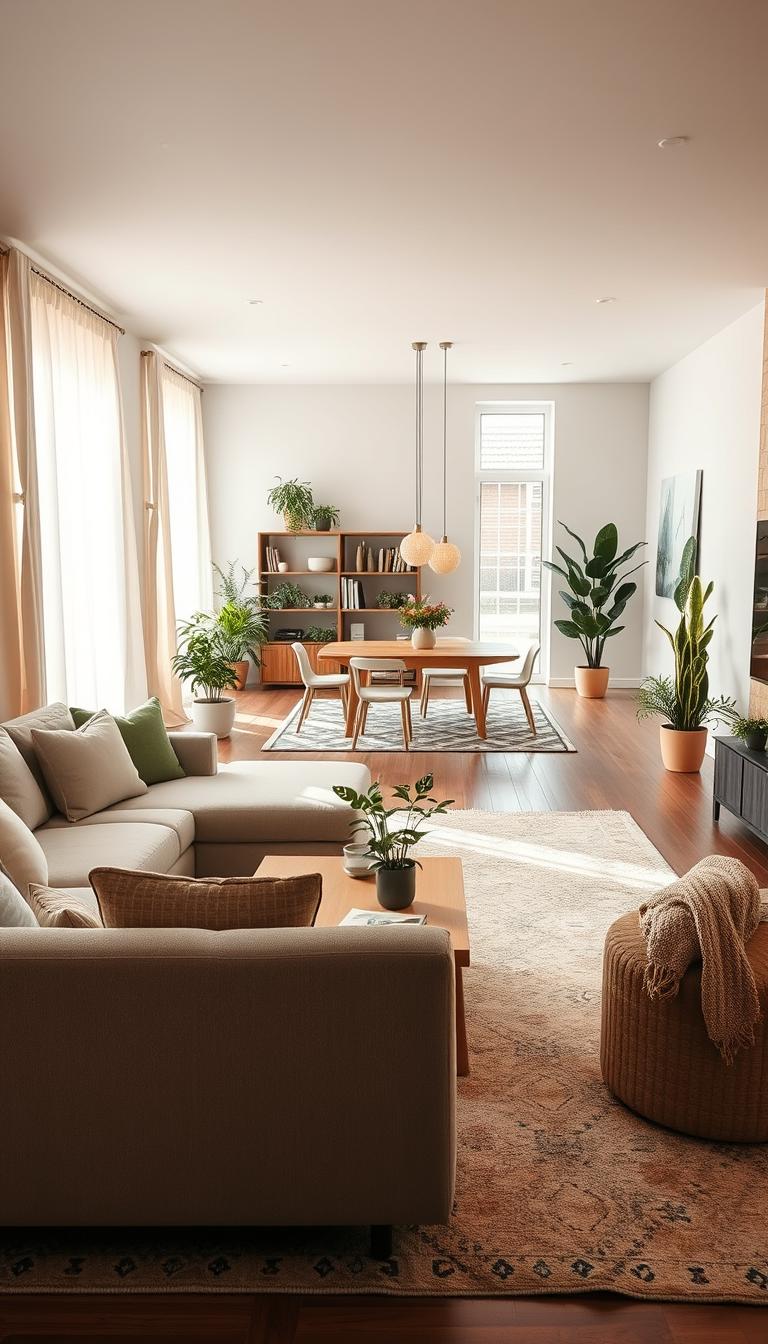
A cozy, inviting living room designed for comfort and well-being. In the foreground, a plush, neutral-colored sofa is paired with a wooden coffee table adorned with decorative books and a small potted plant. On the walls, calming pastel colors enhance the atmosphere, while natural light pours in through large windows adorned with sheer curtains. In the middle ground, a stylish area rug with subtle patterns defines the space, surrounded by tasteful, sustainable decor, such as an attractive bookshelf and green indoor plants. The background features an open layout connecting to a dining area, showcasing sleek, modern furniture from the latest Ikea catalog. The overall mood is serene and uplifting, encouraging a healthier lifestyle in home design, captured in high definition with soft, warm lighting to create an inviting ambiance.

Why this works: the catalogue historically showed a curated selection—often 30–50% of the range—which makes scenes easy to decode and repeat.

Scale, storage, and flow

Scale is health, not just style. An 8×10 rug under a sofa grounds your living area and cuts visual clutter.

Principle Why it matters Quick action
Scale Promotes rest and balance Measure sofa and rug before you buy
Storage Reduces daily stress Add closed cabinets and breathable baskets
Flow Supports movement and safety Keep 30–36″ main walkways
Lighting Improves mood and sleep Layer overhead, task, and warm ambient light
  • Use the two‑thirds rule for media consoles to balance sight lines.
  • Build a focused product list: one anchor furniture piece, two storage solutions, one textile set, two lighting layers.
  • Lean on digital AR tools from 2013–2014 onward to confirm scale before purchase.

“Turn inspiration into a checklist—measure, test, and buy once.”

For guided spreads and room hubs, browse room guides and save items to a list. Small, evidence-based moves make a home feel calmer and more livable.

Notable Years and Editions: Milestones, Formats, and Global Reach

A few milestone years show how a small booklet became a global design teacher. The first edition in 1951 set the tone: a 68-page Swedish booklet with 285,000 copies that introduced practical scenes for everyday life.
A beautifully arranged Ikea catalog spread open on a wooden table, featuring vibrant images of stylish, modern home interiors. In the foreground, there are pages showcasing living rooms, kitchens, and bedrooms adorned with minimalist Scandinavian furniture and vibrant decor. The middle ground features decorative elements like houseplants and chic home accessories that complement the catalog. Soft natural light streams in through large windows, casting gentle shadows and highlighting the textures of the pages. In the background, blurred shelves filled with Ikea products add depth to the composition, suggesting a world of home inspiration. The atmosphere is inviting and warm, encouraging viewers to explore the possibilities of home design.

By 2016 the reach was staggering. That year roughly 200 million copies circulated in 69 versions and 32 languages across 50+ countries. Those numbers prove how the company turned pages into a shared design language for many homes.

The digitized archives at the IKEA Museum now let you jump through decades. You can search catalogues from the 1950s–2021 by product name or type and watch how layouts, storage, and lighting change over time.

  • 1951: spark — simple, useful spreads that taught scale and placement.
  • 2016: peak reach — regional formats that respected local room sizes.
  • Archive access: study past products, then pair timeless proportions with today’s materials.

“Let time be your editor: favor the years that match your taste, then update finishes for modern life.”

Finding and Collecting: Where People Can View Past Catalog Content

A quick search by product name can drop you into the exact year and page you need. I use that trick when I’m tracing a piece for a client or a restoration project.

A serene and organized IKEA showroom interior, showcasing a visually appealing display of living room furniture. In the foreground, a stylish Scandinavian sofa embellished with colorful cushions invites viewers to sit. In the middle, a curated arrangement of shelves and tables features a selection of home accessories, including plants and decorative items. The background reveals a brightly lit space with large windows allowing natural light to flood in, casting soft shadows on polished wooden floors. A subtle focus on a sleek digital catalog lying open on a coffee table, highlighting vibrant images and designs from past collections. The atmosphere is inviting and inspiring, set in a contemporary design style, emphasizing warmth and comfort. Captured in high definition with a slightly elevated angle, conveying a professional, aspirational mood.

The IKEA Museum has digitized Swedish issues from the 1950s to 2021. Use the archive to search by product name or product type. It’s the fastest way to pull up year, page, and photographic detail.

Browse online archives and stories for product information by year

Remember, from the 1970s onward each catalog shows a curated slice—often 30–50% of the full range. If you don’t see an item, it may still have existed off‑page.

  • Bookmark product stories; editorials add useful context on materials and intent.
  • Collectors: note regional variations in finishes and fabrics to match parts accurately.
  • DIYers: zoom archive photos for joinery, shelf spacing, and leg profiles to guide repairs.
  • Organize finds in a simple spreadsheet: name, year, page, dimensions, notes.

“Pair an archived page with a modern brochure to update textiles and lighting while preserving the piece’s bones.”

If you need extra help, the museum contact can sometimes answer questions, though answers may take time—seventy years of entries are complex. Use the archive as a living reference to find precise information and product history.

Conclusion

The printed run may have ended in 2021, but its design rules keep guiding interior decisions.

I’ve walked clients through those pages and seen how one page can change a home. The Älmhult studio, 300+ page shoots, and roughly 12,000 products built clarity so people could choose furniture with confidence.

Use this article as a toolbox: browse focused digital guides, save a favorite spread, then test fit with AR or a tape measure. Ask two simple questions: what item will make the biggest daily difference? what product can you remove to create breathing room?

Final nudge: pick one space, one small upgrade, and one weekend. Small momentum turns ideas into calmer mornings, easier evenings, and rooms that truly work for you.

FAQ

What is the latest printed edition and why did it stop?

The final printed edition appeared in 2021 after a run of about 70 years. The company shifted to digital-first distribution to reduce paper use, respond faster to changing trends, and offer interactive tools that print can’t—like searchable product details, AR room previews, and instant purchase links.

How can I browse current product brochures and collections online?

You can view digital brochures and collection pages on the retailer’s website and mobile app. They provide room-by-room guides, downloadable PDFs, searchable product lists, and direct add-to-cart options so you can plan and buy from any device.

Are older editions and past pages available to review?

Yes. Decades of past issues have been archived by museums and online repositories. The retailer’s museum website and other digital archives let you explore editions by year to track product evolution, photography styles, and historical room sets.

How accurate are room photos for product sizing and layout planning?

Photos are inspirational, not exact templates. Use the listed dimensions and downloadable product sheets to check scale. Many digital tools let you export item dimensions into planning apps or overlay AR models in your room for a precise fit.

What production changes were made over time to reduce environmental impact?

Over the years the company moved to chlorine-free paper, consolidated global printers for efficiency, and gradually reduced print runs. Today the emphasis is on digital distribution, recycled materials, and supply-chain transparency to lower carbon and paper footprints.

How did photographic and design techniques evolve in the pages across decades?

Early issues used staged mail-order photography; later decades embraced lifestyle storytelling with families and cultural snapshots. From glossy material trends in the 1980s to minimalist Scandinavian styling and, more recently, CGI rooms and mixed-media shoots, the visual language shifted with social norms and tech.

Can I still find product details like prices and availability in archived issues?

Archived editions show historical prices and product names, but they don’t reflect today’s availability or current pricing. For up-to-date info, consult the live online catalog, app, or local store inventory.

What role did digital tools like CGI and AR play in the transition away from print?

CGI allowed realistic room scenes without full sets, cutting production costs and enabling rapid scene changes. AR gives shoppers the ability to place virtual furniture in their homes, making it easier to visualize scale and materials—features that cemented the move to digital formats.

How can I turn inspirational pages into an actual room plan?

Start by noting dimensions and product codes from the brochure or digital page. Sketch your room to scale, choose a focal piece, and plan circulation and storage zones. Use downloadable product lists and planning tools provided online to create a shopping list and measure twice before buying.

Where can collectors and researchers access high-resolution scans or PDFs of past issues?

High-resolution scans and downloadable PDFs are often available through the retailer’s museum site and library partners. University libraries and design archives may also hold physical copies and digitized collections for study.

How did typography and branding change in the pages over time?

The pages moved from Futura-era simplicity to Verdana for screen readability and eventually to a custom typeface for global consistency. These shifts reflected the need for clarity across print and digital media and a stronger, more unified brand voice.

Are room set ideas from older editions still usable in modern homes?

Absolutely. Many layout principles—like balance, clear circulation, and multi-function storage—are timeless. You may need to update finishes, materials, or scale, but the fundamentals can inspire fresh, healthier, and more functional interiors today.

Can I download PDFs of current brochures for offline planning?

Yes. Current brochures and room guides are usually available as downloadable PDFs on the company’s website. They’re handy for offline planning, note-taking, and sharing with contractors or family members.
Total
0
Shares
Share 0
Tweet 0
Pin it 0
Related Topics
  • Furniture trends
  • Home Decor Inspiration
  • Ikea catalog 2022
  • Scandinavian design
Jade Hunt
Jade Hunt

Hi, I’m Jade Hunt — your friendly guide to creating a beautiful, comfortable, and functional home. At Homiscape.com, I share practical home organization tips, budget-friendly decor ideas, and minimalist lifestyle hacks to help you design a space you’ll truly love. With over 7 years of experience exploring home improvement trends and DIY projects, I believe every home has the potential to be warm, inviting, and uniquely yours. Whether you live in a small apartment or a spacious house, my goal is to inspire you to make the most of every corner. Let’s turn your living space into your dream home — one idea at a time!

Previous Article
Pink Bathroom Tiles
  • General

Transform Your Bathroom with Pink Bathroom Tiles Today

  • December 30, 2025
  • Jade Hunt
View Post
Next Article
Office Bedroom Design
  • General

Office Bedroom Design: Creating a Productive Retreat

  • December 31, 2025
  • Jade Hunt
View Post
You May Also Like
Hayden Christensen House
View Post
  • General

Inside Hayden Christensen House: A Design Inspiration

  • Jade Hunt
  • January 26, 2026
Living Room Bedroom Combo
View Post
  • General

Creating a Harmonious Living Room Bedroom Combo

  • Jade Hunt
  • January 26, 2026
Color of the Year
View Post
  • General

Color of the Year 2026: What’s Trending in Home Design

  • Jade Hunt
  • January 25, 2026
Japanese Bedroom Decor
View Post
  • General

Japanese Bedroom Decor: Bringing Calm into Your Space

  • Jade Hunt
  • January 25, 2026
Western Style Bedroom
View Post
  • General

Western Style Bedroom Ideas for a Serene Retreat

  • Jade Hunt
  • January 24, 2026
Grey and Green Bedroom
View Post
  • General

Discover the Perfect Grey and Green Bedroom Color Scheme

  • Jade Hunt
  • January 24, 2026
Man Cave Couch
View Post
  • General

My Man Cave Couch: How to Pick the Coziest Spot

  • Jade Hunt
  • January 23, 2026
Palm Leaves Decor
View Post
  • General

Palm Leaves Decor: Bring the Tropics into Your Home Decor

  • Jade Hunt
  • January 23, 2026
Homiscape.com Homiscape.com

Input your search keywords and press Enter.