Homiscape.com
  • Homepage
  • Ideas by Room
    • Bathroom
    • Bedroom
    • Home Office
    • Kitchen
    • Living Room
    • Outdoor
Categories
  • Bedroom
  • General
0
0
Homiscape.com
Subscribe
Homiscape.com
  • Homepage
  • Ideas by Room
    • Bathroom
    • Bedroom
    • Home Office
    • Kitchen
    • Living Room
    • Outdoor
Color Drenched Room
  • General

Create a Vibrant Color Drenched Room: Expert Tips

  • January 2, 2026
  • Jade Hunt

Total
0
Shares
0
0
0

Can one bold choice change how a space makes you feel? I ask that because I’ve seen a single palette turn a plain corner into an intentional, calming haven.

I’ll show you how to plan, pick, and apply a full paint strategy so your home feels immersive without feeling faddish. This post pulls practical moves from client work and expert guides—what to paint, when to wrap the ceiling, and how to handle trim for a refined look.

Color drenching works best in smaller, enclosed spaces like powder areas or libraries, while open-plan layouts often call for tone-on-tone layering instead. I’ll help you decide which approach fits your life and style.

Expect tools you can use now: mood boards, light checks, and finish choices that balance beauty with durability. I’ll also flag common pitfalls so you don’t repaint a week later.

Key Takeaways

  • Color drenching creates an immersive, cocooned feel when used in the right space.
  • Small, enclosed rooms often showcase the effect best.
  • Trim and ceiling choices make the result feel intentional.
  • Use mood boards and light tests before you commit.
  • I’ll outline common mistakes and how to avoid them.

What Is Color Drenching and Why It Works in Today’s Homes

Think of a painted shell that makes architecture read as sculpture. When I say color drenching, I mean committing one hue across walls, trim, doors, and even the ceiling so edges soften and the whole space feels intentional.

“Maria Killam defines color drenching as painting walls, trim, and doors the same color, noting it creates a cohesive, sophisticated backdrop that highlights architectural details like picture molding.”

— Maria Killam

How the effect works

The low-contrast envelope reduces visual “cut lines.” Your eye stops ping-ponging between shifts, and the mood feels calm. Depth reads richer because textures and shapes step forward.

Why it’s not about size tricks

Don’t chase bigger-or-smaller illusions. A well-edited drenched space invites you to notice form, textiles, and the quality of light instead.

  • I reach for medium or moody hues — softened green or charcoal — for livable depth.
  • Wrap the ceiling for full immersion, or keep it lighter to lift height.
  • Use a powder or a dining room as a confident example of the approach.

Plan First: How to Assess Your Room, Layout, and Light

Start by studying how your space flows and where sightlines pull you—this shapes every paint decision. I walk clients through a quick checklist so choices feel intentional and last over time.

Open-concept caution: In wide, connected spaces it’s hard to know where to stop and start color. When trim and sightlines link areas, zoning with related tones works better than full color drenching.

Architectural details and trim: Picture molding or skinny, mismatched trim are ideal candidates for a single-hue treatment. Painting those elements the same shade quiets fuss and makes the architecture read as one calm field.

Mood boards before paint: Build a board from your rug, sofa fabric, art, and metal finishes. Let those pieces pick your shade. Then place large swatches on multiple walls and the ceiling and watch them at different times of day.

Natural and artificial light: North-facing windows cool a hue; south exposure warms and intensifies it. Add lamps and dimmers so the feel you create by day survives into evening.

A cozy, sunlit room with large windows allowing soft, natural light to flood in, illuminating rich, vibrant colors. In the foreground, a stylish, modern coffee table adorned with an artistic vase of fresh flowers, reflecting a splash of color. The middle showcases plush, colorful seating arrangements in warm hues, arranged strategically to encourage conversation. In the background, walls painted in lively aqua with framed art pieces enhancing the atmosphere. A softly glowing light fixture hangs from the ceiling, casting a warm glow that enhances the inviting ambiance. The scene captures an inviting mood, promoting creativity and relaxation, shot from a slight angle to emphasize the layout and use of light, in high-definition photorealism.

  • Check adjacent spaces and circulation—plan a soft transition if a drenched zone meets a white hall.
  • Paint vents, pipes, and built-ins in the same hue to simplify the visual field.
  • Quick example: keep living/dining tone-on-tone and give a nearby powder a full wrap for drama.

Color Strategy: Tones, Undertones, and Finishes for Depth

A smart hue plan starts with choosing mid-tones that give warmth and depth without shouting for attention.

I reach for medium-toned hues with complex undertones—muted green, deep teal, and soft charcoal—to add livable richness. These tones create subtle depth and let textures read clearly.

Tone-on-tone vs. gentle contrast: If your spaces have ornate millwork, a tone-on-tone approach keeps profiles elegant. In plainer areas, a slight contrast on trim gives crisp definition and visual interest.
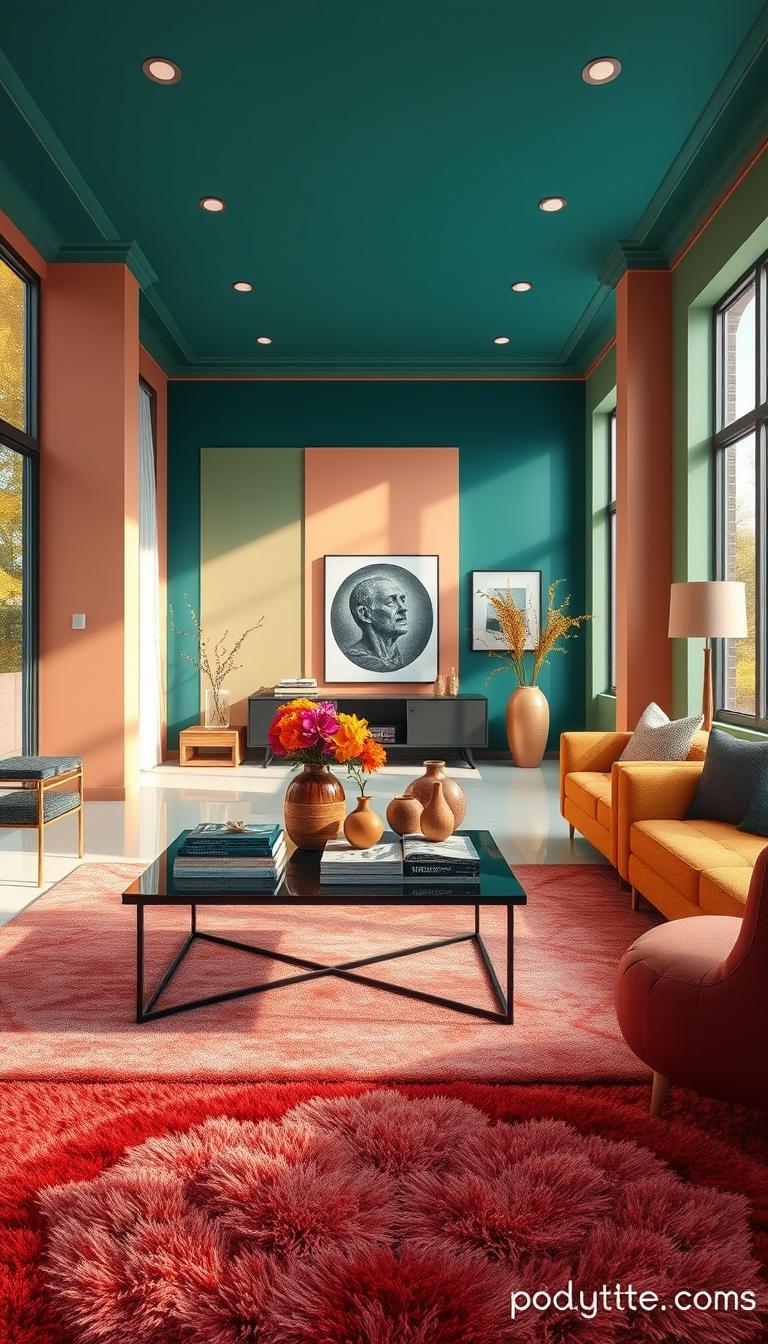
A photorealistic interior scene showcasing a vibrant color-drenched room designed with a variety of tones, undertones, and finishes. In the foreground, a plush, rich-colored rug complements a sleek, modern coffee table adorned with decorative books and vibrant flowers. In the middle, walls exhibit a harmonious mix of deep teal and soft peach tones, while accent furniture contrasts with bold undertones of mustard and olive green. The background features large windows allowing natural light to pour in, subtly illuminating the space and enhancing the richness of the colors. The ambiance is inviting and lively, suggesting depth and warmth. Soft shadows play around the room, creating a cozy yet dynamic atmosphere. The perspective is slightly elevated, providing a comprehensive view of the room's color strategy, with a focus on balance and harmony.

Finish choices that matter

Matte or flat sheens calm walls and hide imperfections. For a dining room, satin or a soft gloss lifts candlelight and feels luxurious. Semi-gloss is my pick for doors and cabinetry where wear matters.

Surface Recommended Finish Benefit When to use
Walls Matte/Flat Hides texture, reads soft Large fields, living areas
Dining room Satin/Soft gloss Reflects light, adds luxury Formal dinners, focal spaces
Trim, doors Semi-gloss Durable, easy to clean High-touch zones
Ceiling Matched or slightly lighter Maintains drenching or lifts height Low ceilings or jewel-box spaces
  • Read undertones like a recipe—greener hues with yellow warmth, teals with gray for calm, charcoals with blue for cool mood.
  • Build a tone ladder—same base in 2–3 strengths—to shape depth across walls and trim the right way.

Application Basics: Walls, Ceiling, Trim, and Doors That Sing

Decide your commitment up front—full wrap or a lifted lid—and the rest follows easily. That single call shapes how you prep, the sequence you follow, and the final look of the space.

Ceiling choices

In compact spaces, a full wrap across walls and ceiling creates that jewel-box magic. It feels immersive and intentional.

If height is an issue, I usually go one shade lighter overhead in the same undertone family. The lid breathes while the whole drenching effect stays cohesive.

Doors and built-ins

Paint doors, vents, and built-ins in the same hue to make them recede. Want a feature? Choose a deeper sibling tone to spotlight a built-in as an anchor.

Durable sheens on high-touch surfaces keep the finish practical without breaking the monochrome design. Semi-gloss for doors, matte for walls—one palette, several finishes.
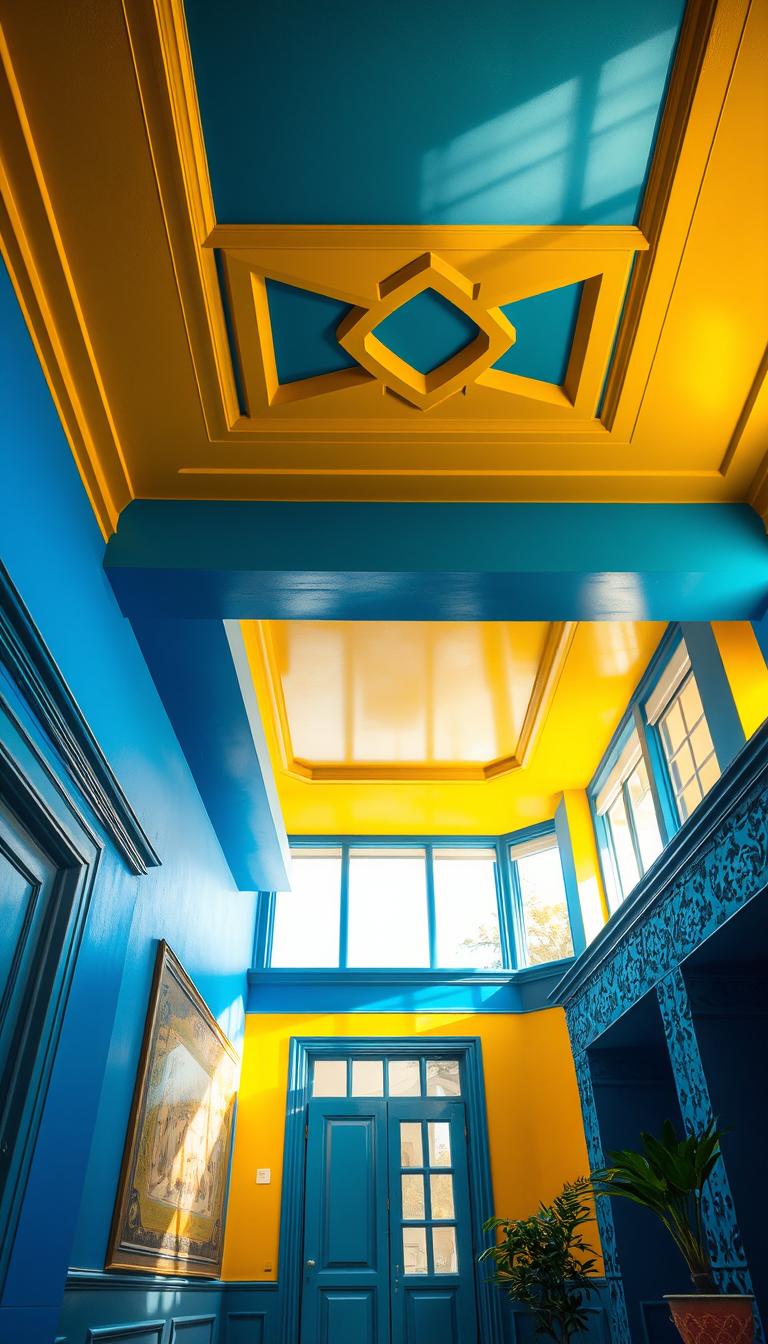
A beautifully designed interior room showcasing walls and ceiling drenched in vibrant colors, featuring a harmonious blend of deep blues and bright yellows. The foreground includes intricately painted trim and a stylish door, inviting the viewer's eye towards the ceiling adorned with a striking geometric pattern. The middle layer displays the walls decorated with textured finishes, reflecting light in various angles, creating a sense of depth and warmth. The background features large windows that flood the space with natural sunlight, illuminating the scene and enhancing the colors. The atmosphere is lively and inspiring, ideal for a creative, positive environment, captured with a wide-angle lens in high definition to emphasize the dynamic interplay of colors and textures.

  • Roll color slightly onto the ceiling line to avoid a hard stripe, then finish the lid cleanly for a tailored edge.
  • Use an angled brush for trim profiles and a fine-nap roller for walls; sand between coats on doors for a furniture-like finish.
  • Work in sequence: ceiling first, then walls, then trim and doors—keeps drips manageable and the final result professional.

Room-by-Room Guide to a Color Drenched Room

Here’s a compact guide to match finish, light, and function for every room in your home.
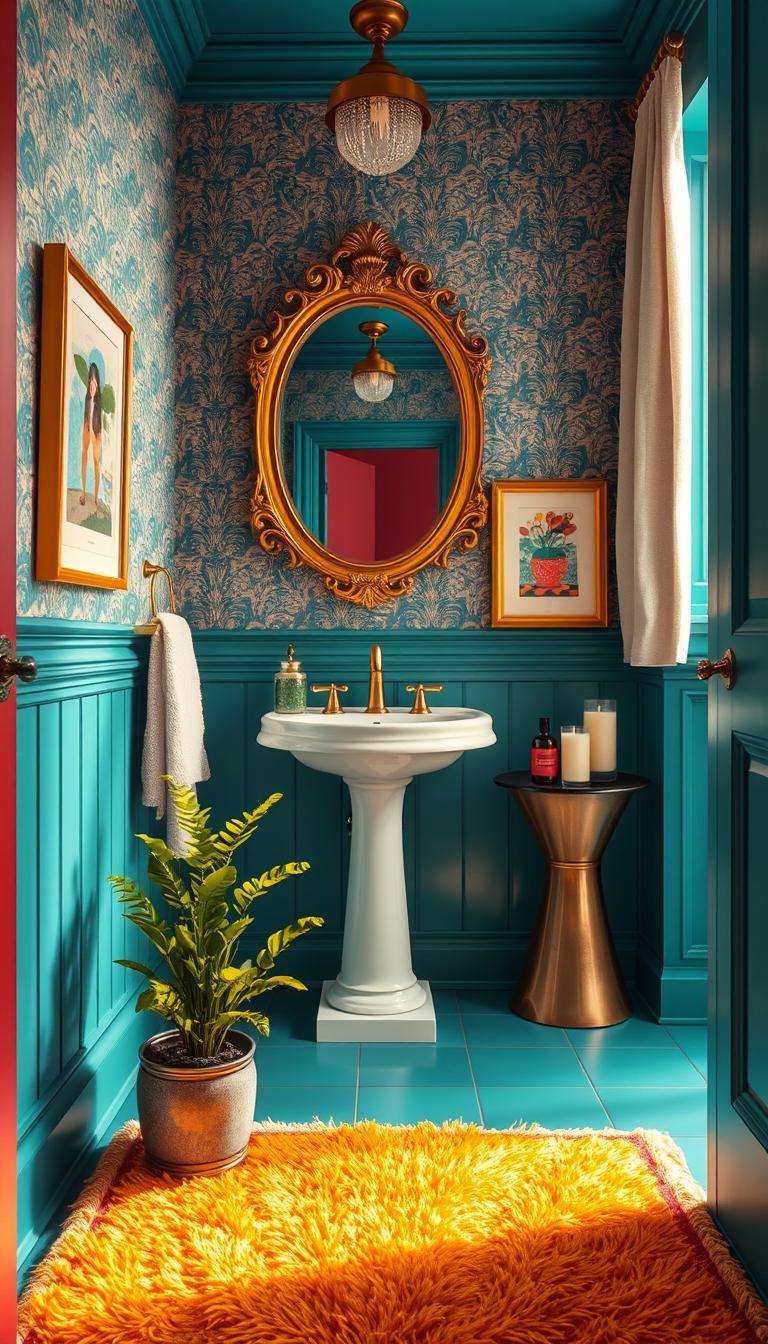
A vibrant powder room featuring a bold color palette, showcasing central elements like a chic pedestal sink and an ornate mirror framed in gold. The walls are painted a rich teal, adorned with patterned wallpaper that complements the color scheme. In the foreground, a plush, colorful area rug adds warmth beside a small potted plant with bright green foliage. The middle ground includes stylish accessories like framed art in vivid hues and a tasteful selection of scented candles. The background boasts soft, diffuse natural lighting streaming through a window dressed with light-filtering curtains. The atmosphere feels welcoming and lively, ideal for a bold color-drenched aesthetic. Use a wide-angle lens to capture the room's full vibrancy and ensure a photorealistic, high-definition quality.

Powder and baths

Powder and bath spaces love a full wrap. Use bathroom-rated satin or semi-gloss paint for moisture resistance and easy cleaning.

Mirror placement matters—oversized mirrors bounce light and stop a small powder from feeling closed in.

Dining rooms

In the dining room, go dramatic. Satin or soft gloss throws back candle and pendant light beautifully.

Layer metallics, glass, and rich textiles for a luxe but family-friendly feel that still welcomes dinner and conversation.

Bedrooms

For bedrooms pick muted palettes. Soft sage, dusty mauve, or deep teal soothe the mood and improve rest.

Paint the ceiling a shade in the same family to make the space feel cohesive rather than chopped up.

Living rooms

Small, light-filled living rooms can handle a full drench and feel intimate. In large or open-plan living spaces, lean tone-on-tone to keep zones clear.

Home offices

Match saturation to your work style. Earthy greens or charcoals aid focus; layered lamps give flexible light for long calls.

Kitchens

Prioritize cabinetry-forward drenching. High-gloss doors reflect light and wipe clean. Balance with lighter counters or a neutral backsplash so the kitchen stays lively, not heavy.

Entryways and hallways

Use a statement hue to set the tone. Tie it to adjacent spaces for flow, and add strong sconces or a pendant to avoid a boxed-in feel.

Space Finish Key tip
Powder/powder room Satin/Semi-gloss Full wrap + oversized mirror to amplify light
Dining room Satin/Soft gloss Use metallic accents and layered textiles for warmth
Bedroom Matte/Satin on ceiling Muted hues and layered fabrics for restful feel
Kitchen High-gloss on cabinetry Balance with lighter counters or backsplash for contrast

Style Moves: Texture, Pattern, and Neutrals That Elevate the Look

Textures, patterns, and a few smart neutrals transform a strong paint choice into a lived-in space. I use fabrics and finishes to add warmth and depth without bringing more colors into play.

Velvet, linen, and wool for depth without extra color

Velvet cushions, linen drapes, and a wool rug give tactile richness. They read as neutrals even when the walls are saturated.

That mix adds depth and keeps the scene cozy. It’s a simple way to make rooms feel layered, not flat.
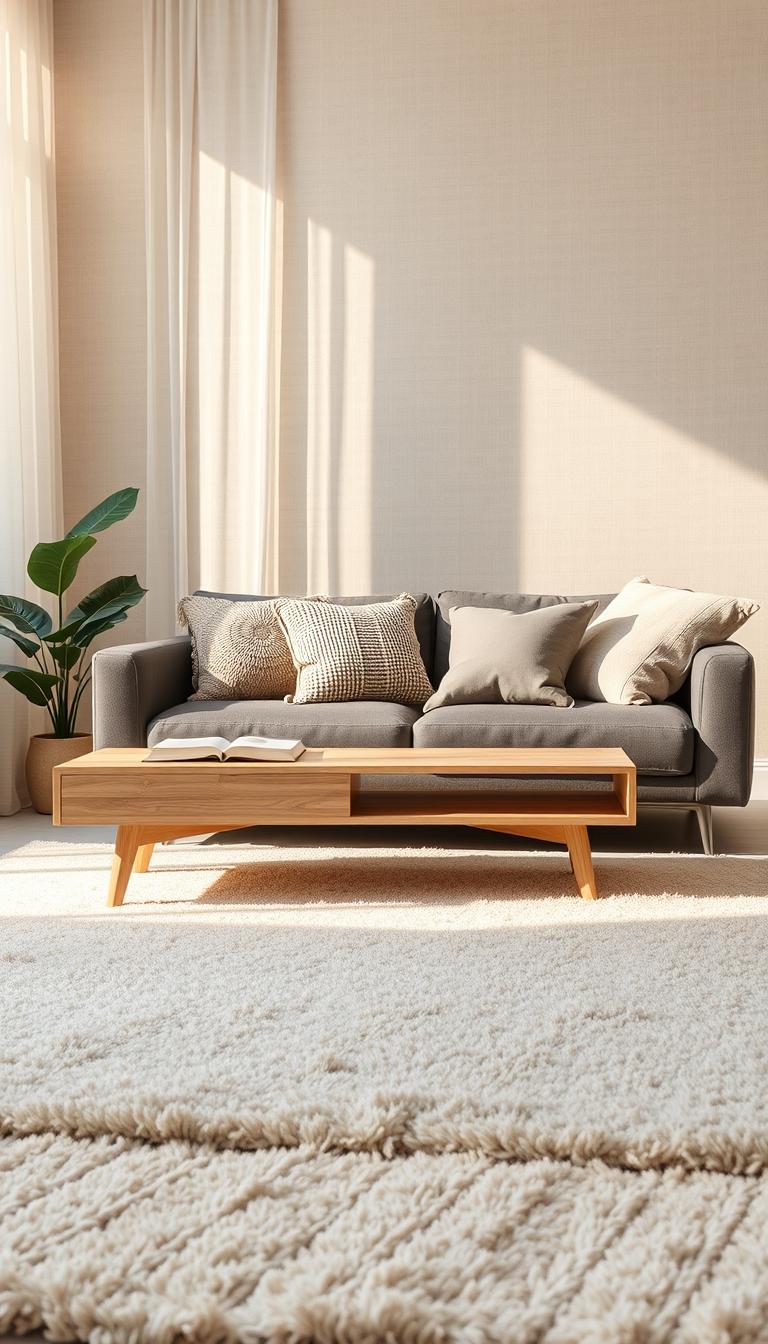
A beautifully arranged neutral texture scene featuring various materials that embody warmth and sophistication. In the foreground, a soft, plush beige rug with a subtle geometric pattern lies beneath a stylish, light wood coffee table. The middle ground showcases a collection of textured cushions in shades of taupe, ivory, and cream, artfully placed on a muted charcoal sofa. Off to the side, a lush indoor plant adds a touch of green for contrast. The background features a softly lit wall adorned with light beige wallpaper that has a delicate fabric texture. Natural daylight filters in through sheer curtains, casting gentle shadows and highlighting the rich textures. This serene composition evokes a calm, inviting atmosphere, ideal for an elegant living space.

Wallpaper as a partner: where pattern breaks up saturation

Wallpaper can be a gentle pause. A neutral botanical in a hall or a patterned ceiling gives the eye a rest.

Use it on a connecting wall or in a vestibule to highlight the paint story without splitting the flow.

Neutrals and metallics: balancing saturated rooms with glass, brass, and wood

Metals, glass, and wood are grounding elements. Brass warms cool greens. Smoked glass lifts dark corners. Walnut frames a vivid field beautifully.

Keep the palette tight and vary finishes. That’s the way to make color feel rich, not loud.

  • I layer velvet, linen, and wool to build depth and softness.
  • Wallpaper in a light neutral can break saturation and tie spaces together.
  • Use sculptural lamps, textured rugs, and mixed metals to anchor decor and style.

Avoid These Mistakes and Use These Pro Tips

Think about stops and starts: a well-considered transition keeps a bold palette from feeling chaotic. I see clients rush into a full drench and then wonder why the plan feels disjointed in an open plan. Take a beat and map where the hue will meet other surfaces.

Don’t force it in open layouts. Maria Killam warns that stopping and starting along connected trim is tricky. Instead, zone with related tones and soft transitions so the design reads cohesive, not clipped.

“Maria Killam advises against forcing color drenching in open layouts due to the difficulty of stopping and starting colors along connected trim.”

Skip high-contrast trim. A white stripe on a saturated wall often reads like a racing stripe. That contrast fights the calm you want. Keep trim close in value or use it sparingly for hardware and art accents.

Beware intense hues in bedrooms and low-light offices. Super-saturated shades can feel restless or sleepy at the wrong time of day. Pick muted tones and add layered lamps so the drenching still reads dimensional after sunset.

  • Choose paint last—anchor the palette to your rug, sofa, and major elements first.
  • Swatch at scale and live with samples through morning and evening light.
  • If unsure, start small: test a powder or entry to learn how drenching affects your home.
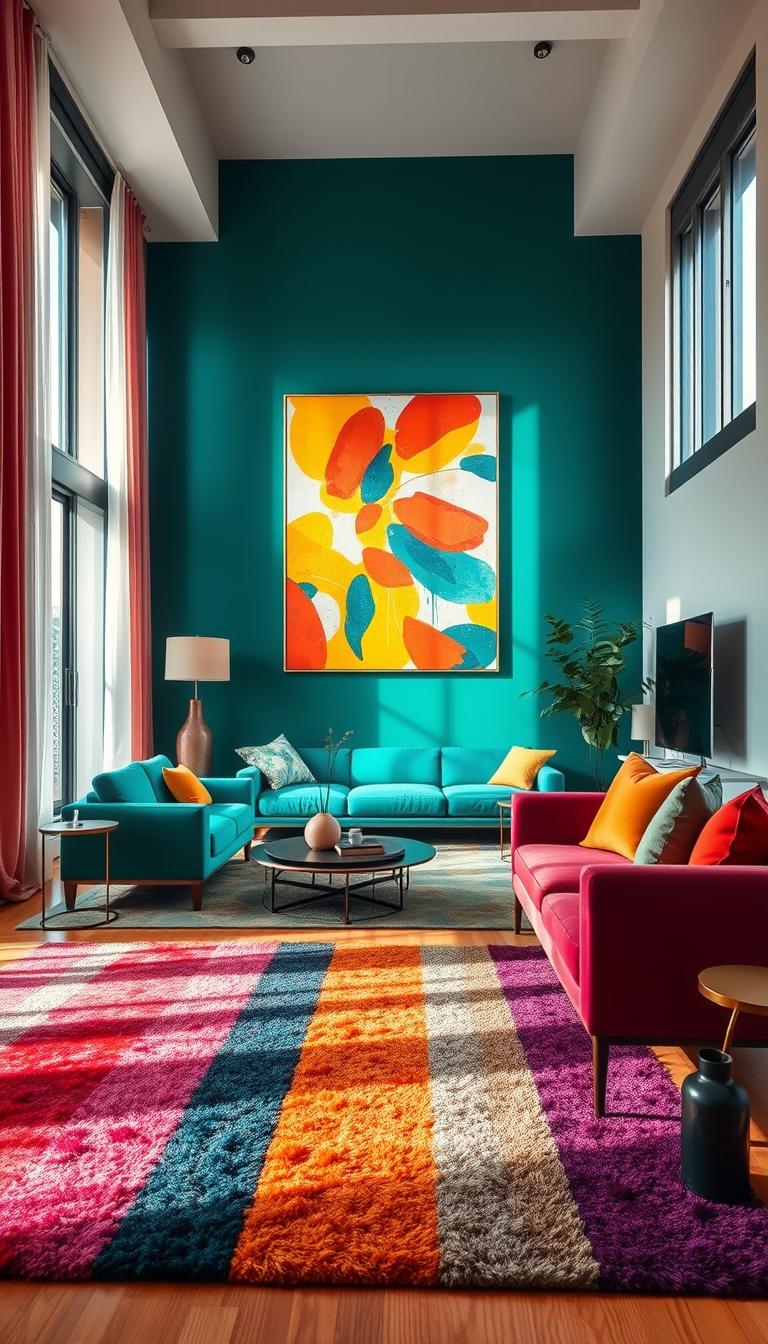
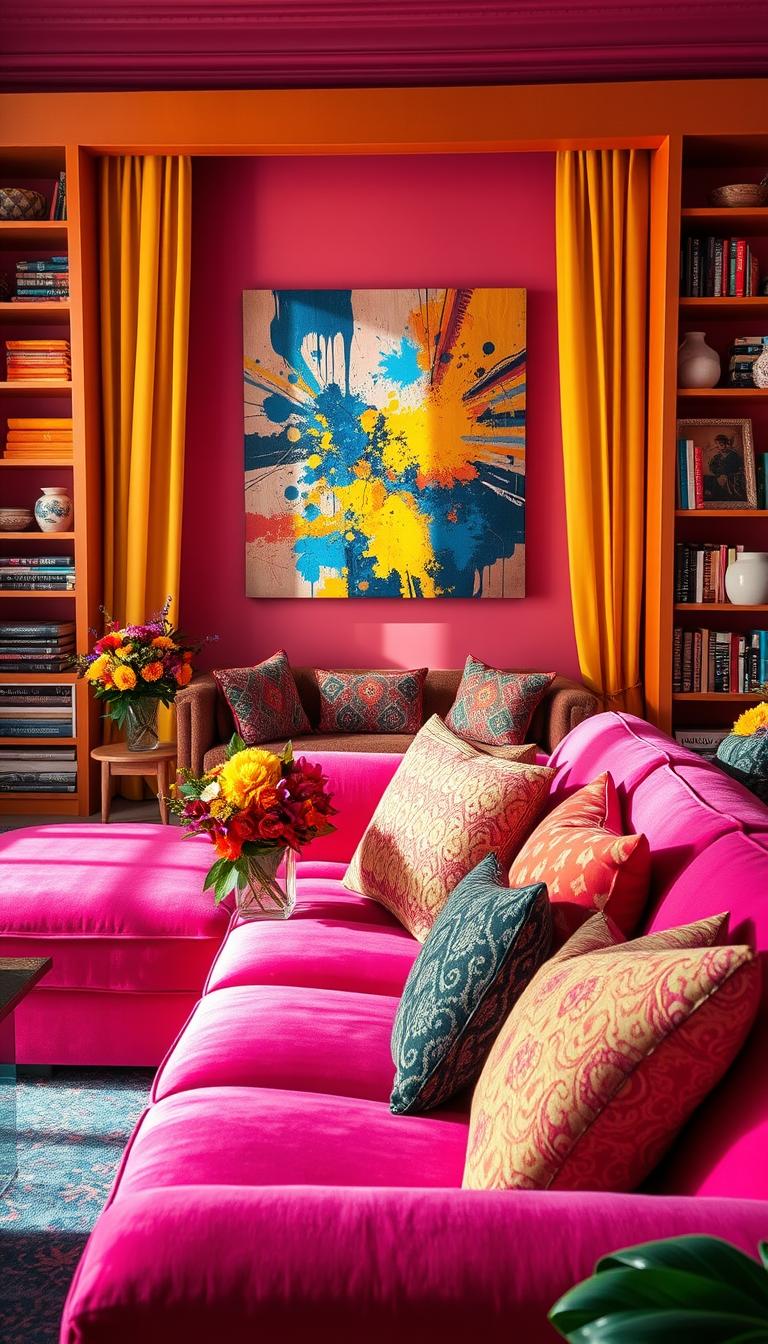
A stunning, photorealistic interior featuring a vibrant color-drenched room. In the foreground, a stylishly arranged living space with a plush, multicolored area rug and contemporary furniture in rich jewel tones, such as emerald green and ruby red. The middle ground showcases a feature wall painted in bold, complementary colors, adorned with abstract art pieces that burst with hues of orange, yellow, and teal. In the background, large windows allow natural light to flood the room, enhancing the vivid colors, with soft curtains gently swaying. The atmosphere is lively and inviting, evoking a sense of warmth and creativity. The composition captures the interplay of light and shadow, showcasing how to effectively use color without overwhelming the space.

Conclusion

When paint becomes backdrop instead of spectacle, your furnishings and light get to tell the story. I’ve found that the smartest way to use color drenching is to start small and learn the effects of light, finish, and tone.

Begin with easy wins — a powder, dining, or bedroom. Test swatches in morning and evening. Let one successful space guide bolder moves across the house.

Keep the palette focused. Choose medium-toned hues for livability and finishes that stand up to daily life. In large, open plans, layer tones instead of going all-in; this keeps energy and clarity.

Want more on handling open layouts? See my open-concept drenching tips for practical ways to tie zones together.

Done well, this trend becomes timeless design — an enveloping, collected way to make your home feel calm and uniquely yours.

FAQ

What does it mean to drench a space in one hue?

It means using the same paint family on walls, ceiling, trim, and doors so the room feels cohesive and immersive. I’ve used this on small powder rooms to create a jewel-box effect and on dining areas for a moody, enveloping vibe—both read as intentional and calming when tones and finishes are chosen thoughtfully.

Will drenching make a small room feel smaller?

Not necessarily. A medium-toned, muted shade can actually add depth and coziness without closing the space in. Lighter lids or a slightly lighter ceiling can lift perceived height if you’re worried about compression. I recommend testing large swatches at different times of day before committing.

How do I handle open-concept spaces when I want to drench?

Zone rather than force a single hue everywhere. Use tone shifts, shared undertones, or transitional elements like trim treatments and textiles to connect areas. I often create a subtle gradient between kitchen and living areas so each zone reads distinct yet harmonious.

Which finishes work best for fully wrapped interiors?

Matte or flat is great for walls because it minimizes glare and hides imperfections. Use satin or soft gloss on dining walls or trim where you want added richness and durability. In bathrooms and kitchens choose moisture-rated sheens on cabinets and trim for longevity.

Can I drench a bedroom without making it gloomy?

Yes. Pick restful, muted tones—soft greens, warm charcoals, or gentle teals—and layer textures like linen and wool to add warmth. Keep key textiles and bedding in lighter neutrals to balance the mood and ensure the room feels relaxing, not oppressive.

Should trim match the walls perfectly or be slightly different?

Both approaches work. Matching trim makes architecture recede for a seamless, modern look. A tone-on-tone trim—just a shade lighter or deeper—creates subtle definition. I choose based on the room’s scale and the presence of picture moldings or built-ins.

What role does natural and artificial light play in choosing a hue?

Light changes a color’s temperature and depth dramatically. North-facing rooms hold cooler tones; south-facing rooms warm up. Test samples under daylight and evening light, and observe how your lamps and fixtures alter the perceived shade before buying full gallons.

Is wallpaper compatible with a fully wrapped approach?

Absolutely. Wallpaper can introduce pattern or texture to break up saturation—think a single accent wall or inside a bookcase. I often pair matte walls with a velvet or textile-look paper to keep richness while adding visual interest.

How do I protect painted surfaces in high-traffic areas?

Opt for a higher sheen on trim and doors for durability, and use washable, stain-resistant formulations for hallways and entryways. Regularly clean with gentle detergents and touch up with leftover paint so the finish stays crisp over time.

What are common mistakes to avoid when drenching a home?

Don’t overdo high-contrast trim, avoid overly saturated hues in low-light bedrooms or tiny offices, and don’t skip testing with real furnishings. I’ve seen well-intentioned schemes fail when homeowners picked a shade without anchoring it to textiles, floors, or lighting.

How should I choose the exact shade after I decide to drench?

Start with a mood board of fabrics, wood tones, and metals you plan to keep. Then sample several swatches on large panels and live with them for a week. The right undertone should echo your key decor elements and support the room’s function—calming for sleep, energizing for work.

Can cabinetry be drenched in the same hue as the walls?

Yes—cabinetry-forward drenching is a powerful move in kitchens. Use a slightly glossier finish on cabinets for durability and choose complementary counter and backsplash materials to balance sheen and texture. This creates a cohesive, tailored look.

Are metallics and neutrals necessary in a saturated space?

They’re helpful. Brass, glass, and warm woods break up heavy color and add reflective highlights that lift the scheme. Neutrals in rugs or upholstery provide visual rest and keep the room from feeling too intense—think of them as breathing space.
Total
0
Shares
Share 0
Tweet 0
Pin it 0
Related Topics
  • Bold Color Palettes
  • Bright Color Schemes
  • Color Psychology in Design
  • Colorful Home Decor
  • Colorful Room Inspiration
  • Designing with Color
  • Expert Decorating Advice
  • Interior design tips
  • Room Makeover Ideas
  • Vibrant Accent Pieces
Jade Hunt
Jade Hunt

Hi, I’m Jade Hunt — your friendly guide to creating a beautiful, comfortable, and functional home. At Homiscape.com, I share practical home organization tips, budget-friendly decor ideas, and minimalist lifestyle hacks to help you design a space you’ll truly love. With over 7 years of experience exploring home improvement trends and DIY projects, I believe every home has the potential to be warm, inviting, and uniquely yours. Whether you live in a small apartment or a spacious house, my goal is to inspire you to make the most of every corner. Let’s turn your living space into your dream home — one idea at a time!

Previous Article
Moody Bathroom
  • General

Designing a Moody Bathroom That Soothes and Inspires

  • January 2, 2026
  • Jade Hunt
View Post
Next Article
Red Bedroom
  • General

I Designed My Dream Red Bedroom: Here’s How You Can Too

  • January 3, 2026
  • Jade Hunt
View Post
You May Also Like
Hayden Christensen House
View Post
  • General

Inside Hayden Christensen House: A Design Inspiration

  • Jade Hunt
  • January 26, 2026
Living Room Bedroom Combo
View Post
  • General

Creating a Harmonious Living Room Bedroom Combo

  • Jade Hunt
  • January 26, 2026
Color of the Year
View Post
  • General

Color of the Year 2026: What’s Trending in Home Design

  • Jade Hunt
  • January 25, 2026
Japanese Bedroom Decor
View Post
  • General

Japanese Bedroom Decor: Bringing Calm into Your Space

  • Jade Hunt
  • January 25, 2026
Western Style Bedroom
View Post
  • General

Western Style Bedroom Ideas for a Serene Retreat

  • Jade Hunt
  • January 24, 2026
Grey and Green Bedroom
View Post
  • General

Discover the Perfect Grey and Green Bedroom Color Scheme

  • Jade Hunt
  • January 24, 2026
Man Cave Couch
View Post
  • General

My Man Cave Couch: How to Pick the Coziest Spot

  • Jade Hunt
  • January 23, 2026
Palm Leaves Decor
View Post
  • General

Palm Leaves Decor: Bring the Tropics into Your Home Decor

  • Jade Hunt
  • January 23, 2026
Homiscape.com Homiscape.com

Input your search keywords and press Enter.