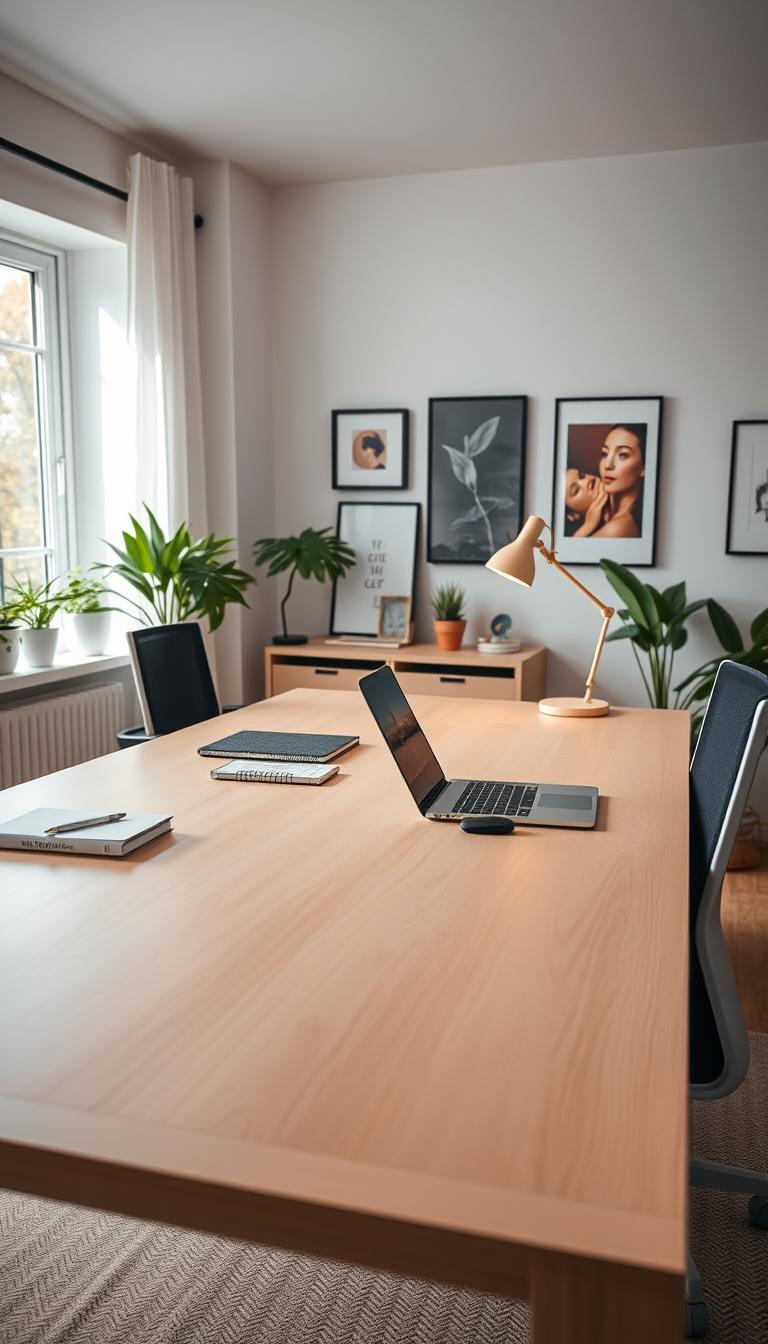
Can one long surface change the way your family works at home? I ask this because I’ve seen tiny rooms turn into calm, organized hubs with the right setup.
I design shared offices and I often point clients to an IKEA-based double desk approach. It’s a modular product that pairs simple tops with supports like Alex drawers, trestles, or Sektion bases.
The result is a great desk that feels intentional. One continuous top, matching supports, and tidy storage cut the visual noise. That look helps people focus and still feel together.
I love recommending a solution that starts modest and grows. Add cable management, storage, or a floating mount later. You get a custom feel without the custom price, and the desk adapts as your family’s needs evolve.
Key Takeaways
- A long, shared surface creates balance between togetherness and focus.
- Mix-and-match IKEA parts offer modular flexibility and easy upgrades.
- Choose matching supports for a calm, cohesive design and look.
- Start simple: add storage and cable solutions over time.
- A well-planned setup boosts daily use and family productivity.
Why a Double Desk Elevates Shared Home Offices
A shared long surface can turn a tight room into a calm, highly functional work area.
I’ve seen compact corners become purposeful places with one continuous top, Alex drawers used as dividers, or two tables back-to-back on trestles. Back-to-back setups create distinct zones—computer on one side, a clear creative surface on the other.
The benefits are practical and simple. When two people share a desk, coordination is easier. Papers stay put. Each work space feels defined yet connected for quick collaboration.
- Family members find a natural rhythm and still keep personal focus for deep work.
- One long piece clears traffic, cuts duplicate furniture, and opens flexible ways to reconfigure seating.
- Behind a sofa or under a window, the continuous line visually stretches the space and keeps sightlines clean.
“A smart shared surface encourages daily rituals—open the laptop, share a note, get it done.”
Members get ergonomic balance with two chairs, two lights, and a tidy cable plan. A well-planned shared top makes small rooms feel larger and work feel smoother.
Ikea Double Desk Configurations That Work in Any Room
A well-planned long top can reshape how a room works, giving two people defined places to create and focus. Below are several setups I use again and again depending on room quirks and family habits.
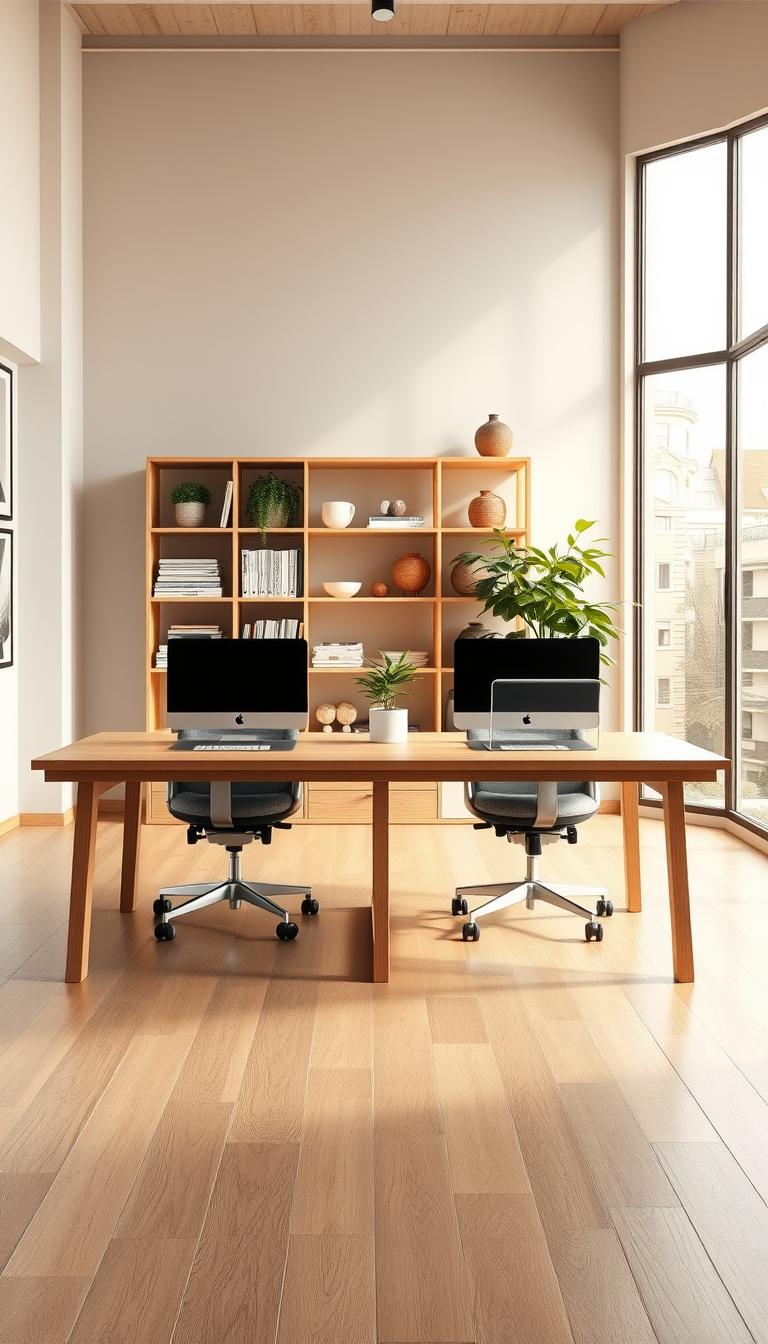
Ready-made symmetry
Pair two matching units side by side for instant balance. Two identical desks give equal legroom and a built-in look once you align heights. Remove the legs on two Micke units and anchor the widened surface to the wall with L brackets for extra stability.
One-top DIY
My favorite DIY way is a single desktop resting on a center drawer unit. Alex drawers act as a spine—storage below, a clean line above. That drawer unit divides two seats while supporting the top.
Sleek long span and back-to-back
In tight rooms choose a Lagkapten 200×60 cm top for a seamless plane; support it with an Alex, a Malm dresser, or L brackets for a floating feel.
For multi-hobby homes, try two tables back-to-back—Linnmon tops on Mittback trestles. One side for sewing and craft, the other for a computer and monitor. No elbow clashes, more flow.
- A drawer unit on casters adds flexible storage and clears the surface when needed.
- Swap trestles or closed units to match the room’s vibe and function.
Key Ikea Components: Drawers, Table Tops, and Trestles
Smart choices in parts make the build effortless. The right mix of storage, supports, and surfaces gives a shared workspace balance.
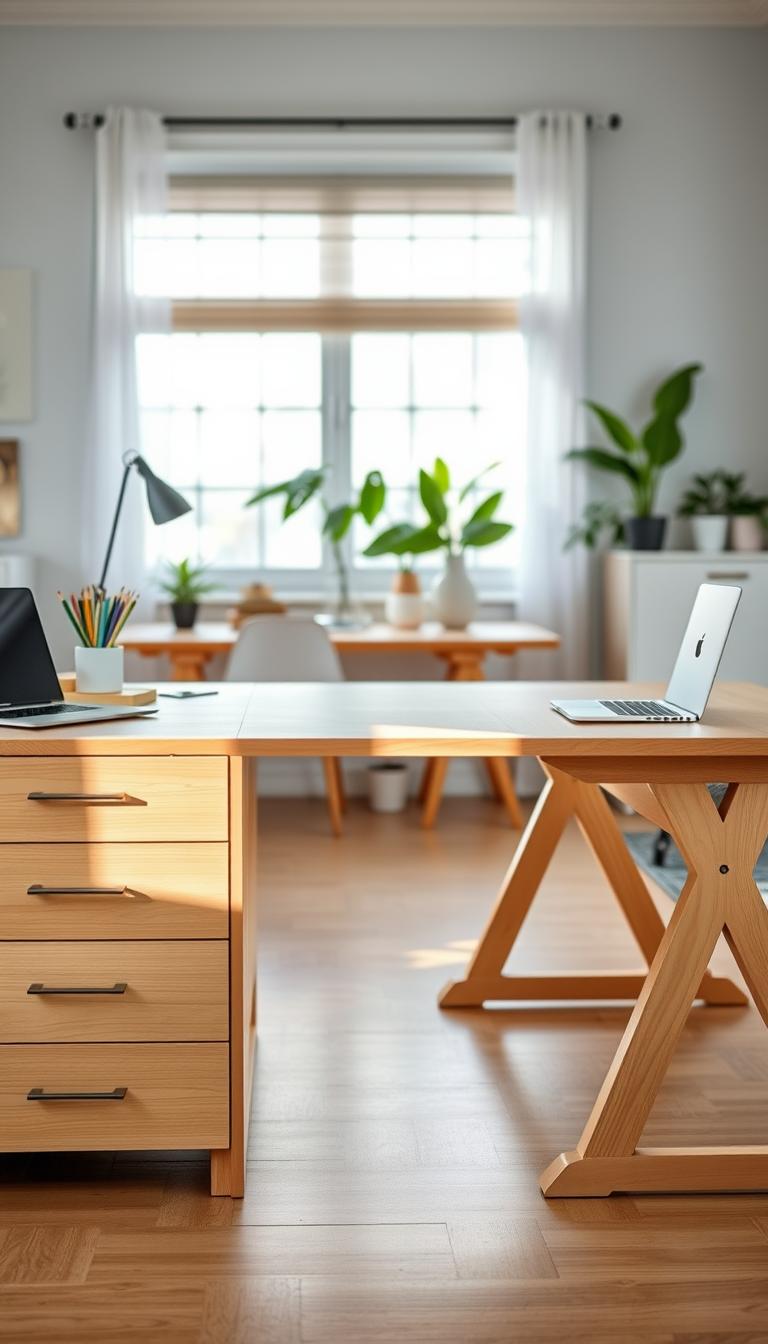
Alex drawer units
Alex units pull double duty: they support a desktop and hide cables while holding supplies in smooth-glide drawers.
They come in two sizes and can divide two workstations cleanly.
Lagkapten tabletop
The Lagkapten top spans up to 200×60 cm for a single, seamless surface. I often wall-mount it with L brackets to avoid sag and to get a clean, photo-ready top.
Linnmon + Adils and Mittback trestles
Linnmon tops with Adils legs are my budget pick—light, simple, and easy to level on uneven floors.
Mittback trestles add height range for seated or standing work—great if schedules and postures shift during the day.
Base cabinets: Malm, Micke, Sektion
Malm and Micke give built-in storage. Sektion units bring kitchen-grade sturdiness and pair well with a Mollekulla countertop for a warmer feel—handy in rentals where drilling is a no-go.
“Choose supports based on use: drawers for daily files, trestles for openness, cabinets for bulk storage.”
- Add a slim monitor arm or desktop riser to free surface area.
- Always check that the top and units are level and secured for safe use.
| Component | Key benefit | Best for |
|---|---|---|
| Alex drawer units | Storage + support | Daily files and tidy surfaces |
| Lagkapten tabletop | Seamless span (200×60 cm) | Unified look and photography |
| Linnmon + Adils | Budget-friendly, light | Starter builds and small rooms |
| Mittback trestles | Height adjustable | Sit-stand flexibility |
| Sektion / Mollekulla | Sturdy, warm finish | Premium feel without custom carpentry |
Measure, Plan, and Fit: Getting the Right Size for Your Space
Start by measuring the room carefully. That tiny depth behind the baseboard decides whether the board will sit flush or need a notch. I measure height and length from wall to floor first.
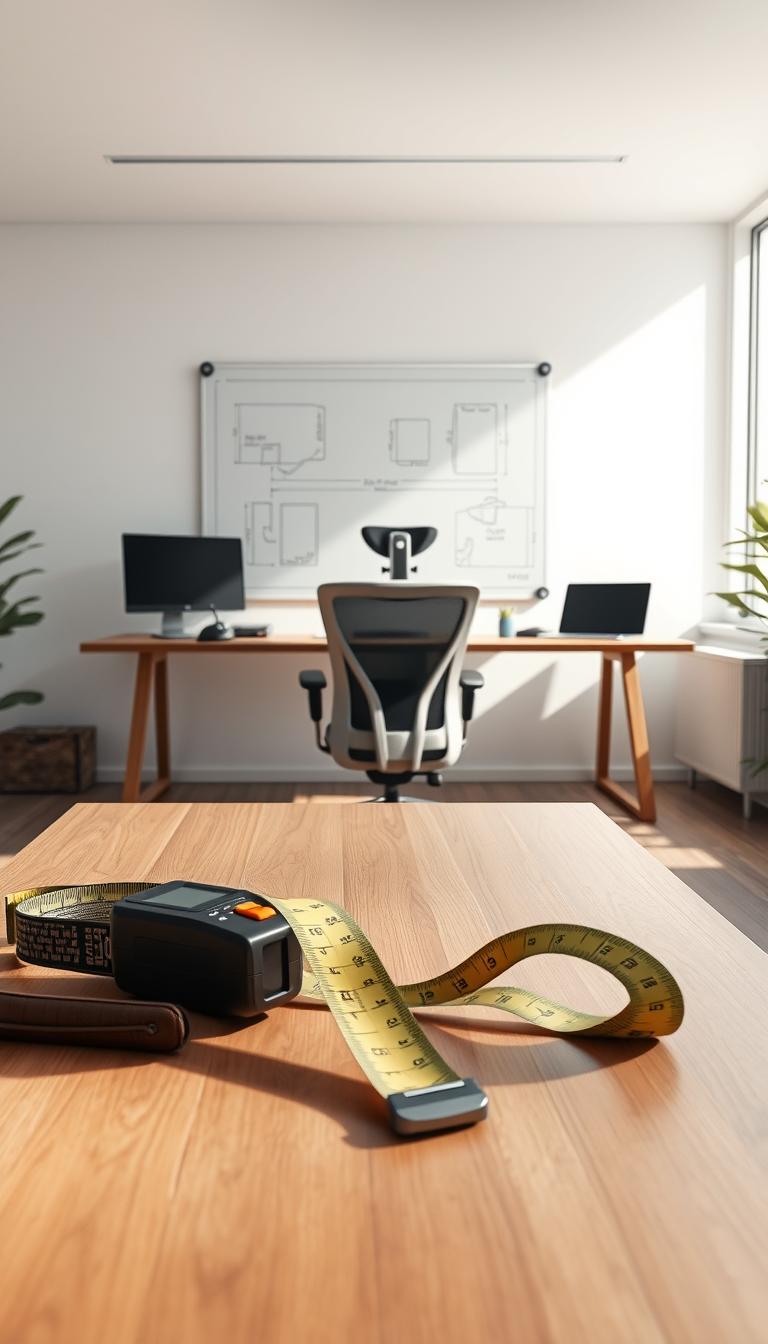
If walls aren’t square, scribe and trim. Most walls lean a bit. Scribing the back edge to the wall angle keeps the look custom and keeps gaps small.
Notching a vertical panel for baseboards? Dry-fit that piece before you cut. For the first time, a single test saves a recut.
Small spaces and smart supports
In tight layouts I use an Alex unit as a center divider and load carrier. Another great way is to float part of the top with 1″ L brackets. That opens the floor and makes cleaning easy.
- Map leg clearance, chair widths, and door swings with painter’s tape.
- Plan outlets and cable chases so the desk top isn’t fighting power strips later.
- Keep the palette calm in kids’ and guest rooms—lean pieces make the room feel larger and the look restful.
“Measure twice, dry-fit once—small tests save big headaches.”
Assembly and Stability: From Easy Assemble to Rock-Solid
Assembly is where the plan becomes a place. I slow down here and follow clear instructions so the result feels steady, safe, and finished.
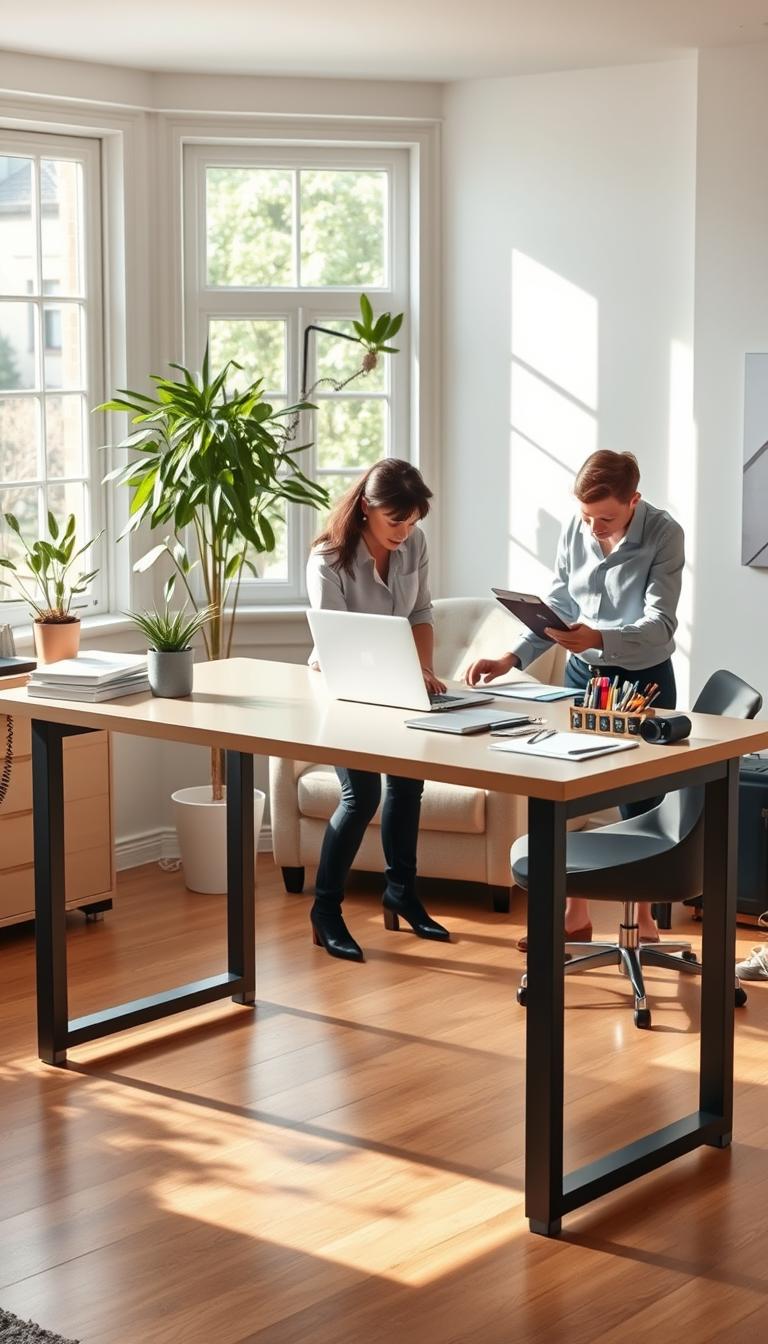
Essentials and tools
Gather the basics before you start. I lay out the 3/4″ maple plywood, birch veneer edging, clear satin poly, wood glue, fine sandpaper, and all hardware.
Tools I use: circular saw, table saw with miter, chop saw, brad nailer, a drill, 1″ L brackets, and 1 1/4″ screws.
Step-by-step instructions
Start by putting together the drawer unit. That unit becomes your anchor and sets the desktop height.
- Cut the plywood to the correct depth, accounting for baseboards.
- Dry-fit and miter the edges so the waterfall lines up tight.
- Glue the veneer, then pull the miter together and secure from inside with screws.
- Attach the top to the cabinet with glue and screws; add L brackets into studs for long-term stability.
Extra support and finishing tips
L brackets are your best friend—two into studs across the back and a couple under the top stop rattle over time. If the span feels long, add discreet dowel legs for mid-run support.
Use edge tape or real veneer applied with an iron, sand lightly, then seal with a satin poly. Take your time—set a timer for each stage so cuts and fastening happen with care.
- I like to sort all parts and hardware first so the easy assemble phase stays smooth and calm.
- Follow the written instructions and always drive screws into solid material, not thin backers.
- When everything is put together, test the desk for wobble, re-level feet, and confirm drawer faces align.
Design Ideas: From Scandi Minimal to Warm Wood Looks
When I build a long top, it’s always the small details that change the feel the most. Good design balances function and calm. Below are simple directions to make a shared workspace feel intentional and gentle.
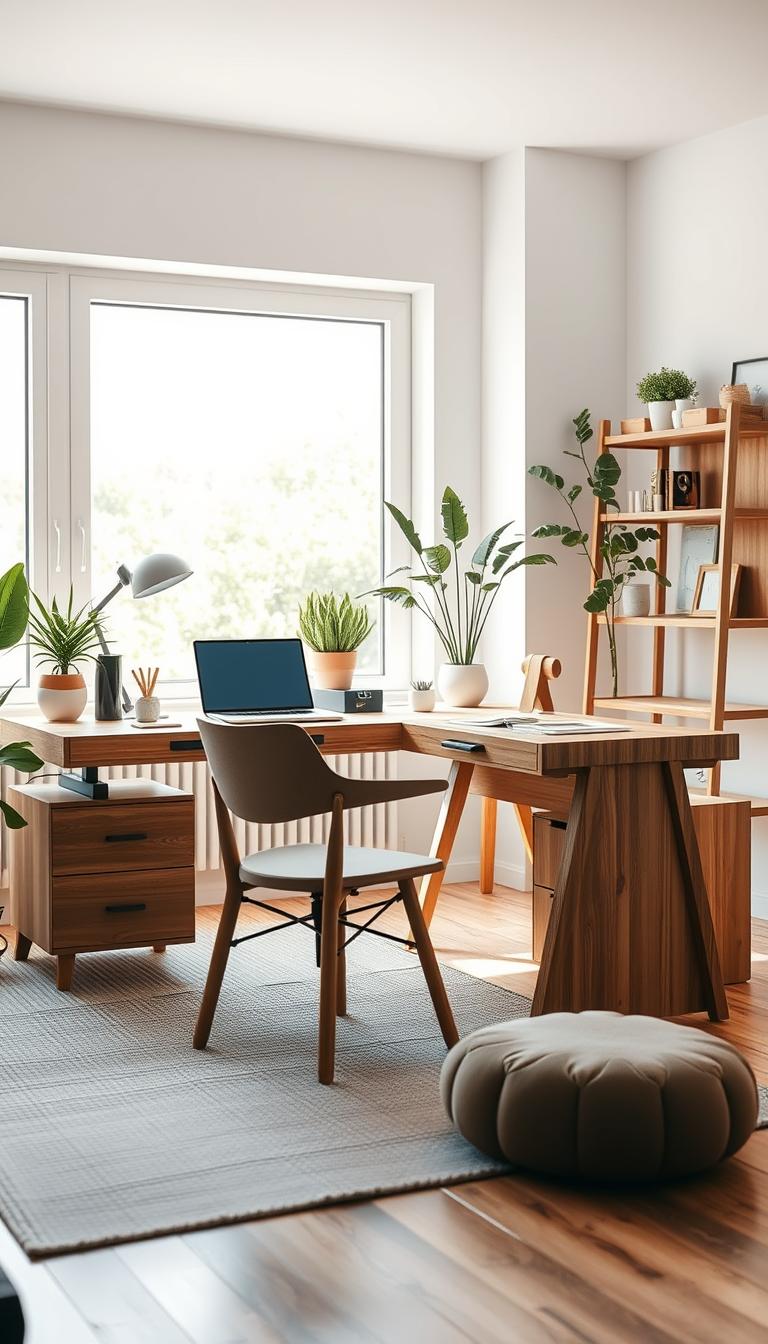
Scandi-inspired maple plywood with a waterfall edge
I often start with a single maple board and a mitered waterfall. That piece reads like one carved line across the room.
Tip: add skinny shiplap under the top for a neat reveal and paint the underside to match the wall. It quiets the plane and keeps sight lines soft.
Quiet palettes and edge-banded veneer
Edge-banded veneer keeps profiles minimal. Paired with half-painted walls in muted tones, the surface looks refined, not loud.
In kids rooms I echo the feature wall color under the desk so the workstation tucks into the architecture rather than shouting for attention.
Cable management and shelving for a calm surface
Shallow shelves above the top hide routers and route cables out of sight. A simple trestle setup keeps the floor easy to clean and the top clear.
- A tone-on-tone scheme—pale wood with soft clay or blue—reduces visual noise.
- Closed storage hides messy supplies; leave only daily essentials on the desk.
“Small lighting and a plant make the workspace feel lived-in and warm.”
Result: a restorative room where the board, finishes, and storage work together so the desk becomes a calm anchor, not clutter.
Budget to Premium: Ways to Maximize Value and Price Transparency
When budgets matter, you can still build a workspace that looks intentional and lasts. I guide clients to choices that protect the wallet without sacrificing longevity.
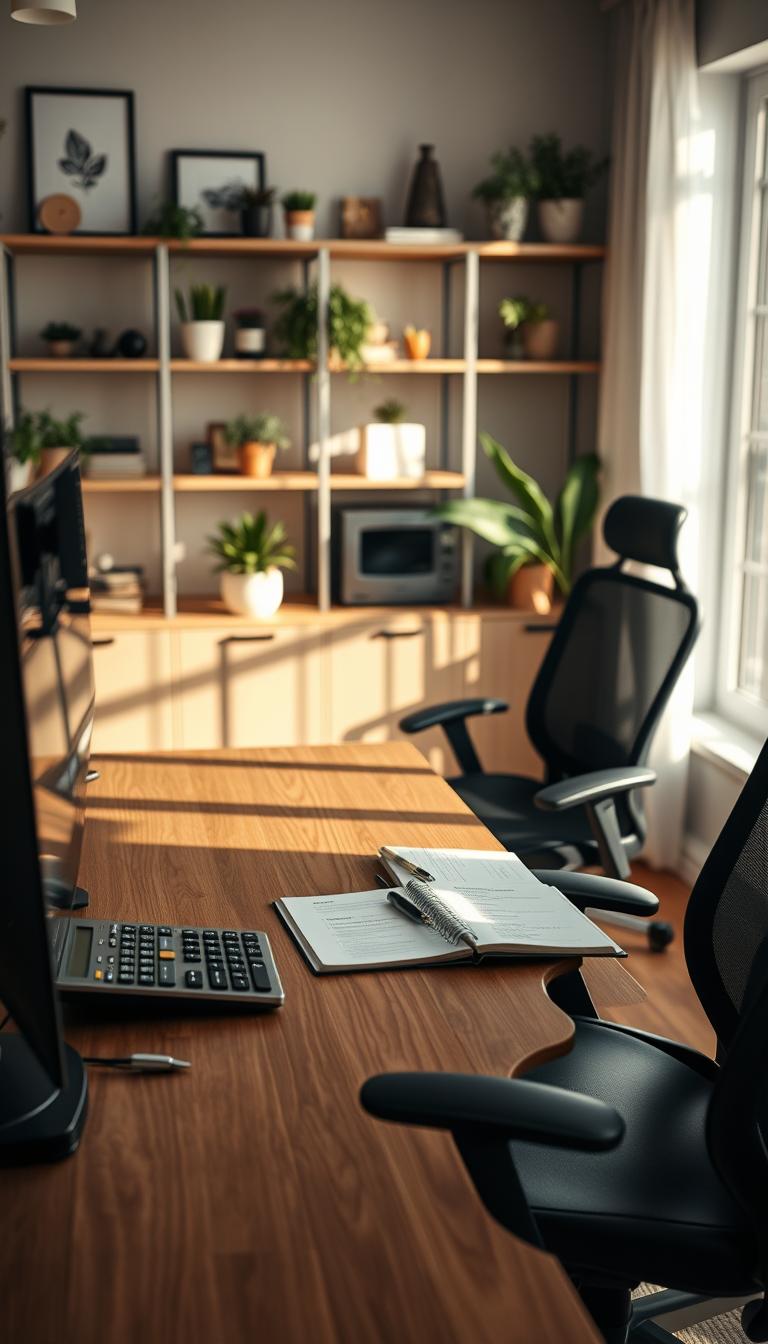
Budget builds: A Linnmon top with Adils legs or simple trestles makes a reliable, low-price table. It’s easy to level and expand. Calm monochrome setups keep the piece looking thoughtful, not cheap.
Mid-range options
Lagkapten paired with Alex drawers gives a seam-free surface and real storage. Mounting the top with L brackets keeps the look floating and neat. This product is the sweet spot for most homes.
Premium feel
For a richer finish, top Sektion bases with a Mollekulla countertop. It reads like furniture, not kit. Mary Lauren’s trestles-plus-top trick shows how to get spacious results without an enormous price tag.
- Itemize every part in a clear listing so surprises stay small.
- If you’re an ikea family member, factor member savings; members get seasonal promos that cut cost.
- Balance spend: solid top, smooth drawers, and a good chair first.
“The best value is a setup that stays sturdy, looks timeless, and supports your routine.”
Conclusion
A well-built long top can quietly change how a family uses a room. I love solutions that flex with life: a single board or paired units that give family members get more focus, clarity, and togetherness in the same footprint.
Over time, storage matters. A center drawer unit and smart drawers keep clutter out of sight. For the first time DIY, follow your listing and cut plan, then let screws, brackets, and glue do the heavy lifting.
I’ve seen kids flourish—art on one side, homework on the other—while adults enjoy a great desk that still reads like furniture. Map your space, choose parts that fit your workflow, and build a desk top that felt like it was always meant to live there.