Can a playful, space-themed set really hold up to real kids and still look like good design?
I tested the collection over real weekends of play, bedtime stories, and the endless “can we build a fort?” energy that children bring. I want to give you clear, practical knowledge from those messy, joyful days.
The soft 13 ½” alien and the cardboard rocket felt light and approachable. They add character without overwhelming a room. Textiles draped well, prints anchored the theme, and materials moved with the kids.
I’ll point out where the quality shines and where expectations need a nudge back to earth. Expect candid notes on pricing, availability, and how lots of use shows up after weeks of play.
Think of this as a friendly designer’s tour—hands-on, honest, and aimed at helping your little one’s world feel delightful and functional.
Key Takeaways
- Playful design that works: pieces feel light and family-friendly.
- Real-world durability: some items hold up better than others after lots of play.
- High delight per dollar: a few standout buys give big character boosts.
- Designer-friendly: cohesive elements fit into thoughtful room layouts.
- Practical notes: check availability, compare SKUs, and set expectations on quality.
Quick Take: Why Ikea Aftonsparv Stands Out Right Now
This lineup stands out today for marrying playful motifs with materials that survive everyday use. The mix of soft textiles and light structures makes transitions easy—quiet story time one minute, full-on pretend the next.
Design-wise, the palette reads as dreamy at night and adventurous by day. Stars and planets work for naps and for high-energy games, so you get more value from one investment.
Availability is another win this season. Multiple listings show “Arrives before Christmas,” free delivery, and “New Low Price” flags, which makes planning gifts simpler and less stressful.
I see how a single anchor—like a rocket or themed duvet—pulls a room together. It invites children to role-play and co-create stories among stars without overwhelming a parent’s design goals.
“I like pieces that spark imagination while staying practical for everyday life.”
- Play + function: storytelling with easy clean-up.
- Designer-friendly: prints that travel from day to night.
- Gift-ready: seasonal notes help with timing and budgets.
Ikea Aftonsparv Collection at a Glance
I like to think of this lineup as a simple kit: one big anchor, a few soft friends, and tidy storage that keeps play from taking over the room.
Alien Plush (Green, ~13 ½”) and Astronaut Friends
The green alien plush is the gateway piece — about 13 ½” and very huggable for children. A few astronaut friends (bear, bunny, etc.) round out the cast and spark role-play across the room.
Cardboard Spaceship Rocket (SKU 605.564.64)
The cardboard rocket is the dramatic play anchor. Lightweight and easy to move, it reads as a spaceship to a kid and stores flat when playtime ends.
Twin Duvet & Pillowcase, Space/Blue
A twin duvet in space blue grounds the bed with planets and stars. It makes bedtime feel like slipping into orbit.
Curtains with Tie-Backs, 47×98″ Pair & Storage Boxes
Long curtains carry the planet motifs across a wall and soften light. Storage boxes sized for Kallax/Expedit hide toys fast and restore a clean “launch pad.”
- Price snapshot: plush ~ $12–$23; rocket ~ $76–$84; duvet ~ $40–$50; curtains ~ $48–$54; storage packs ~ $57–$60.
- Design note: pieces link visually — planets, stars, and a spaceship silhouette — so the room reads as one playful scene.
“Pick a hero piece, then add a friend and storage — it keeps cost down and impact high.”
Price Snapshot and Where to Buy in the United States
Let’s break down the real-world price tags and the most useful listing signals to watch. I tracked recent listings and compiled a quick map so shopping feels less guesswork.
Typical price range from recent listings:
- Alien plush (13 ½”): about $11.99–$23.00 (SKU 805.515.59).
- Twin duvet & pillowcase, space/blue: $40.00–$49.99.
- Curtains 47×98″: roughly $47.75–$53.99.
- Storage boxes 4-pack (Kallax fit): $56.98–$59.98.
- Cardboard space rocket (605.564.64): $75.60–$84.00.
Deals and listing signals to watch:
- Free delivery and “Arrives before Christmas” can save money and time on tight gift schedules.
- Look for “New Low Price,” coupons, or “save up to 10–20%.” Act fast if a product is marked “Almost gone.”
- Watchers on a listing mean demand is rising—don’t wait too long if you need it in a few days.
I recommend comparing seller options, filtering by “Located in United States,” and checking IKEA Family pricing where relevant. Count taxes and delivery so the final total doesn’t surprise you.
“Pick a hero product first, then add pieces as deals appear—this keeps cost down and impact high.”
Hands-On Pros: What My Kids Loved About the Space-Themed Set
Suddenly, everyday rooms felt like launch pads for small, eager explorers. The scale is kid-friendly—the alien plush at 13 ½” and the cardboard rocket (SKU 605.564.64) fit neatly into play routines.
Imagination Among the Stars
Play value showed up fast. My children invited friends over and the room filled with missions. Imagination soared among stars as they staged snack-fueled moonwalks and wrote pillow checklists.
Lots of Room for Adventures
The rocket acts like a gateway, not a blocker. With lots room left to run, kids circled, docked, and darted away without tripping over props.
Hands-on details that won us over:
- Soft toys feel good in the hand and calm after rough play.
- Group play scales up easily—roles multiply when props are clear.
- Family moments followed play: the alien became a bedtime buddy and a quiet co-regulator.
“The biggest win was how my kids kept inviting friends into every mission.”

Cons to Consider Before You Buy
Some pieces deliver instant joy but need careful handling to last. Below I’ll walk through realistic limits so you can choose what fits your home and habits.
Durability and Quality Expectations by Product Type
The standout is the cardboard rocket (SKU 605.564.64). It’s charming and light, but it’s still cardboard. Great for imaginative bursts, less ideal if several children will climb or lean on it daily.
Soft toys feel nice in the hand and often outlast rough play. Yet stitching and surface wear vary by use. If long-term quality matters, rotate toys and set gentle play rules.
Textiles are forgiving, but bold prints can fade with aggressive washing. Follow care labels to protect color and hand feel.
Space Needs and Storage for Bigger Pieces
The biggest practical thing is space planning. Measure so the rocket won’t block traffic paths or closet doors in a small room.
Storing the rocket can be awkward. Plan a “hangar” corner or an under-loft spot so it doesn’t become a tripping hazard. If your space doubles as a study, consider a folding play zone to hide the footprint after play.
- Cardboard rocket: high delight, lighter durability.
- Soft toys: better wear, variable stitching.
- Textiles: forgiving but follow care instructions.
| Item | Durability | Storage Ease | Best Use |
|---|---|---|---|
| Cardboard Rocket (605.564.64) | Light — prone to creases | Takes space; can fold flat | Occasional, supervised play |
| Plush Toys | Moderate — depends on stitching | Easy — bins or shelves | Everyday cuddles |
| Textiles (duvet, curtains) | Good — follow care | Fold in closet | Daily use, bedding & light control |
For homes with several children, set simple rules—one pilot at a time, gentle hands on the rocket. Little systems cut down scuffs and tears.
“A few dents and creases are part of the story; weigh that against delight-per-dollar.”
My honest thoughts: these products shine when matched to realistic use. Keep durable furniture for daily rough play, and treat the rocket as a seasonal, high-delight piece.
Main Features and Design Details
What struck me first was how the materials invite kids to rearrange the scene without stressing parents. The collection pairs a light build with cozy textiles so play is easy and cleanup is faster.
Soft Textiles and Kid-Friendly Materials
The duvet, pillowcase, and curtains all share a soft hand and a space/blue palette that feels calm at night. The prints read clearly from across the room, so the bedding reads as an anchor without shouting.
Soft toys and the cardboard rocket are intentionally movable. That helps children gain autonomy—they set the scene themselves and feel proud of it.
Playful Planets, Stars, and Aliens Motifs
The motifs balance scale and negative space. Larger planets ground the bed while smaller stars twinkle at the edges. The result is playful, not busy.
Aliens are friendly and funny—small accents that invite curiosity rather than fear. The overall design keeps the room legible for kids and calming for parents.
- Materials: light pieces kids can move themselves.
- Hand-feel: cozy textiles with crisp prints.
- Motifs: planets and stars that scale well; aliens add humor.
- Practical: flexible surfaces cut down on scraped shins and dented floors.
“The balance of pattern and empty space is smart—playful without overwhelming.”

Ikea Aftonsparv
Think of the line as a tiny ecosystem: soft pals, bold textiles, and a rocket that makes play three-dimensional.
When I say AFTONSPARV, I mean a cohesive mini-world that’s easy to layer into a room without overhaul.
My designer thoughts are simple: the pieces read clearly to kids and keep a grown-up eye happy too. The palette and scale work together, so a single hero piece can set the tone.
From family projects, my knowledge shows this theme fits existing furniture and doesn’t demand a full redo. It’s modular—start small and add as the story grows.
Materials are refreshingly honest. Soft feels cuddly. Light pieces move easily. Cardboard is playful, meant for supervised adventures, not rough treatment.
- World-building: gentle and adjustable to a child’s taste.
- Modular: buy one piece, then expand if it lands well.
- Value: accessible price tiers lower risk and reward experimentation.
“AFTONSPARV feels like a permission slip to play—without compromising on visual harmony.”
| Element | Role | Why it works | Buy tip |
|---|---|---|---|
| Soft toys | Companions | Cuddly and comforting | Start with one favorite |
| Textiles | Scene-setting | Anchor bed and window | Match with neutral furniture |
| Cardboard rocket | Play anchor | High delight, light duty | Supervised, seasonal use |
Sizes, Specs, and What Fits in Your Child’s Room
A few simple measurements will tell you if the pieces create a cozy orbit or a crowded corner. Start by mapping the longest wall and the window before you shop.
Twin bedding fit and curtain length in standard rooms
The twin duvet and pillowcase match standard twin mattresses. If you have a loft or bunk, the slim, quilted profile makes bed-making easier and saves headroom.
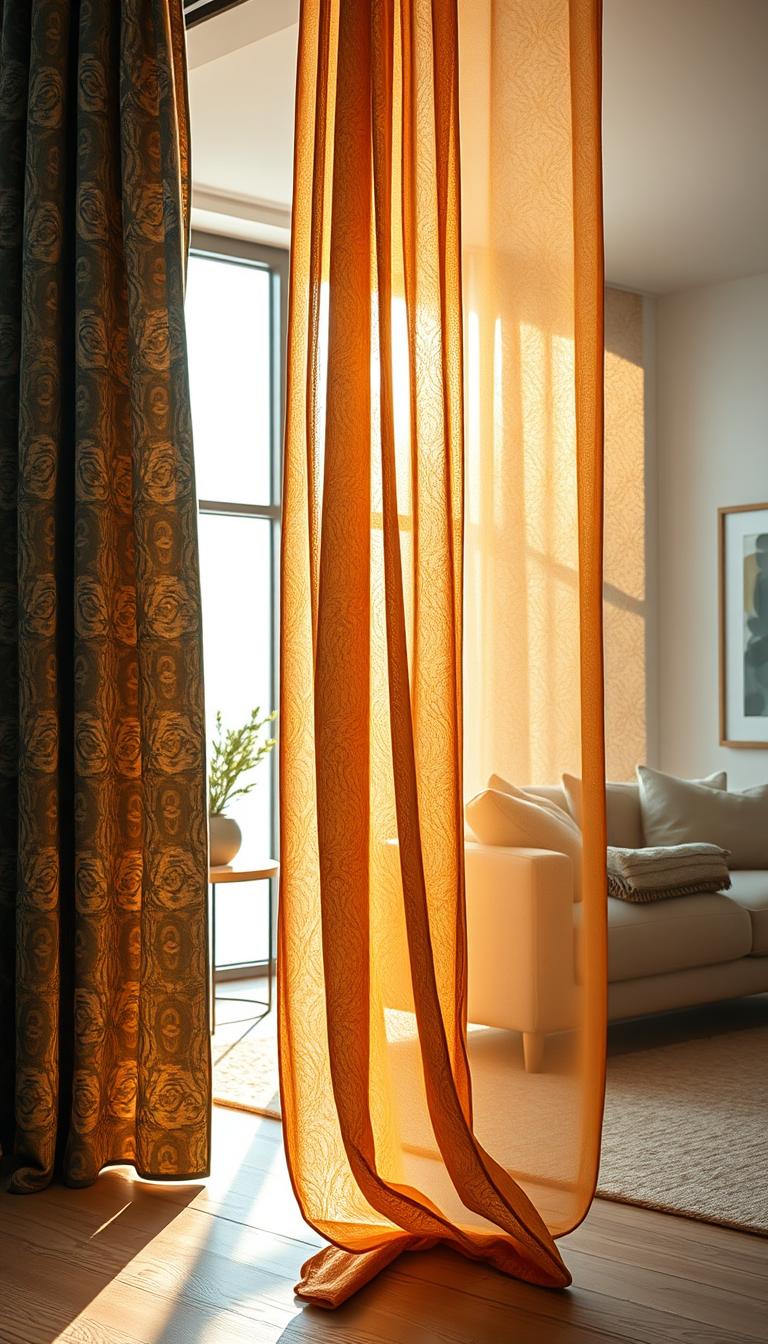
The curtains come as a 47×98″ pair per recent listings. In rooms with 8–9 ft ceilings they may kiss or puddle—move the rod up if you want a cleaner line.
Cardboard rocket footprint for play areas
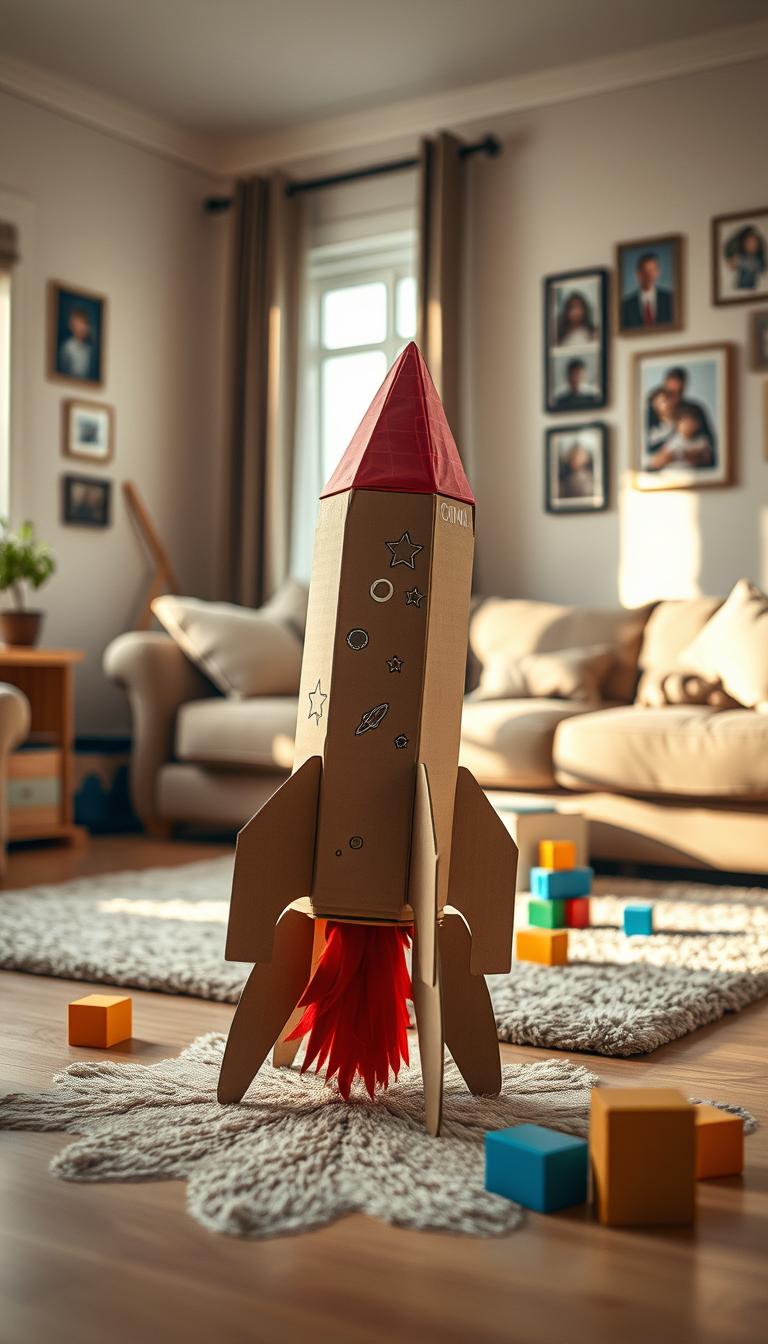
The cardboard rocket (SKU 605.564.64) fits nicely in a corner but reads large. Leave lots room around it so kids can circle and “dock” during play.
The alien plush at 13 ½” tucks easily on a pillow or shelf and adds planets-scale charm without hogging space.
- Tip: if the bed runs along the longest wall, flank it with storage boxes to keep the flight deck clear for adventures.
- Measure twice: tape outlines on the floor to preview flow before committing to layout.
“A clear plan keeps play lively and circulation easy.”
Safety, Ages, and Everyday Use
Safety starts with simple rules: a quick chat and a clear boundary keep play calm and the pieces lasting longer.

Suggested Ages and Supervision Tips
I treat the cardboard rocket like a pop-up fort — perfect for pretend, not for climbing. For younger ages, give a firm “no standing on panels” rule and show gentle handling.
Older children usually self-regulate if you model care. Time your first launch when you can watch; those first minutes set habits.
Quality Checks for Daily Life and Busy Days
After energetic play, scan for bent tabs or loose seams. Reinforce folds and tuck tabs back into place to extend life.
- Rotate roles: invite children to switch pilots so no one leans hard on one panel.
- Keep play in sight: supervision reduces wear and keeps kids safe.
- Soft toys: wash surfaces periodically to cut allergens and keep imagination fresh.
- Bedtime: dim lights and “dock” the rocket — lights off signals mission complete.
“A calm unboxing and a short demo protect the piece and teach safe play.”
Setup, Care, and Maintenance
A few simple routines make this product feel fresh and ready for play. I keep steps short so busy families can follow them in minutes.
Fast Assembly for the Cardboard Rocket
Clear a flat floor and work in good light. Dry your hands and unfold panels slowly. Align tabs with slots, then use gentle pressure along folds to keep edges crisp.
If a tab loosens after a few days, reverse-fold to re-sharpen the crease and reseat it. Avoid tape so the rocket breaks down cleanly for storage.
Use a soft cloth to press seams without scuffing. The SKU for the cardboard rocket is 605.564.64 — treat it as a light, high-delight piece, not a climbing structure.
Textile Care: Duvet, Pillowcase, and Curtains
Wash bedding on gentle and low heat to protect print vibrancy and the soft hand. Line dry or tumble low for best results.
Make the bed while linens are slightly warm — it smooths creases and lifts the whole room instantly. Rotate duvet orientation now and then to even wear from nightly kicks and daytime reading.
The aftonsparv curtain pair (47×98″) cleans easily: spot-treat marks between washes to reduce fading and keep panels fresh.
- Quick weekend reset: shake plush, fluff pillows, wipe rocket surfaces with a dry cloth.
- Storage options: breathable bags or under-bed bins keep seasonal pieces tidy and ready.
- Label boxes: maps, figures, and costumes by “mission” so cleanup doubles as play.
| Care Task | What to Do | Why it Helps |
|---|---|---|
| Rocket assembly | Dry hands, good light, gentle folds | Keeps panels crisp and makes breakdown easy |
| Textile washing | Gentle cycle, low heat, line dry | Protects prints and soft hand |
| Weekly reset | Fluff pillows, wipe surfaces, rotate duvet | Maintains look and evens wear |
“A short setup and a quick weekend ritual keep the room feeling just-launched.”
Design Story and the Spark of Imagination
Shapes and scale often tell the first story in a child’s room. Small marks. Big circles. A pattern becomes a prompt for play.
Designer Thoughts: Bringing Space, Planets, and Stars Home
My designer thoughts start with how kids read visuals. They notice circles and trails before they read labels. That quiet logic drives how I place motifs across a room.
Large planets anchor a bed wall. Tiny stars scatter across curtains and bedding to make a sense of depth. Together they build a gentle world that feels both calm and vast.
Characters like aliens and astronaut friends invite empathy. They let children practice care on a safe, imaginative trip through pretend narratives.
Textiles set the mood; props deliver action. The duvet and curtains create a stage while the rocket and plush provide roles. Parents get a cohesive space for sleep, play, and reading.
“The best children’s spaces don’t over-explain; they leave room for discovery and small rituals.”

| Element | Role | Effect |
|---|---|---|
| Large planets | Anchor wall | Gives scale and calm for sleep |
| Star motifs | Fill negative space | Create rhythm and gentle focus |
| Plush characters | Emotional props | Encourage empathy and role-play |
How We Styled a Space Room on a Family Budget
We focused on easy swaps that give big visual lift without a big bill. Small moves—one hero textile and a clever corner—made the room feel intentional fast.
Mixing the collection with Existing Furniture
I kept existing dressers and a bookshelf in place and layered new pieces on top. The twin bedding served as the visual anchor, then I framed the window with the aftonsparv curtain (47×98″).
Storage fit mattered: the storage boxes tuck neatly into Kallax/Expedit shelves, so we added them later when a deal popped up. That protects the family budget and keeps flow intact.
Creating a Cozy Bed Zone and an “Among the Stars” Play Corner
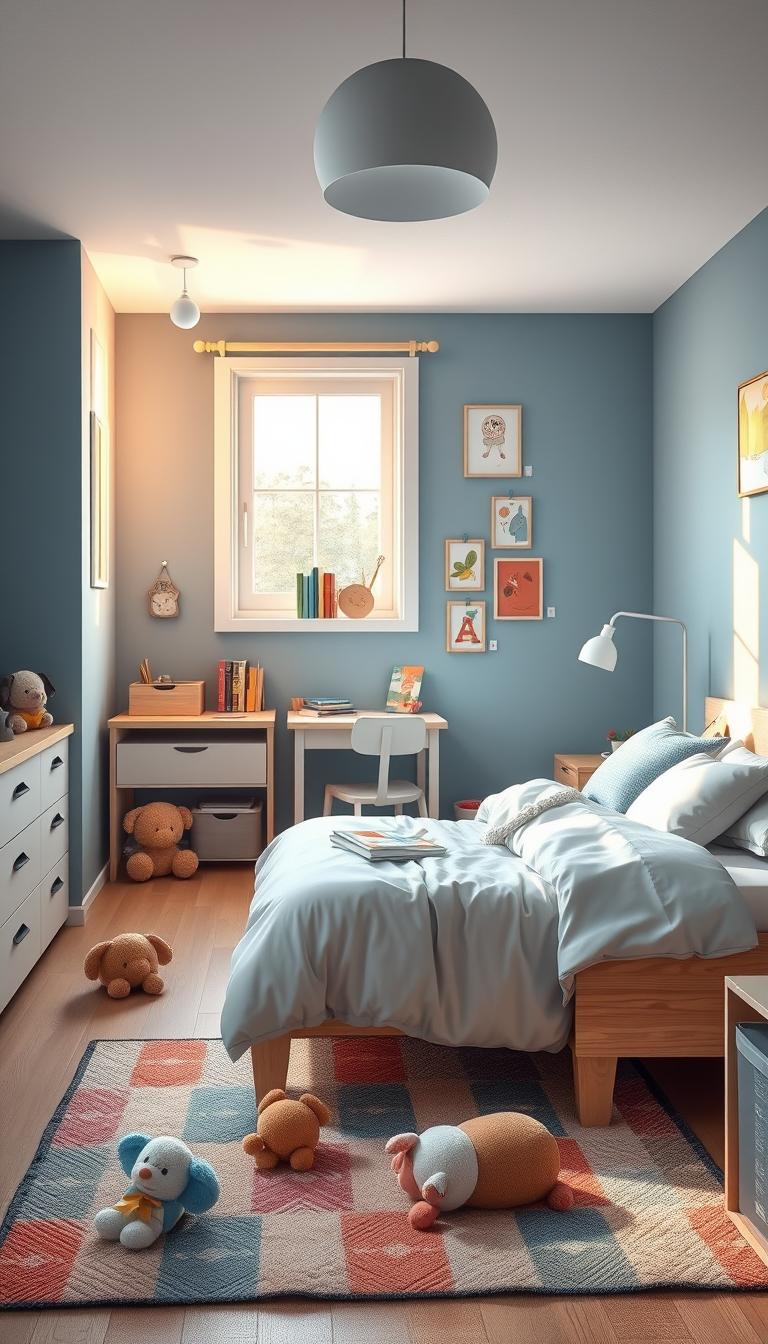
We placed the play corner opposite the bed so there was lots room for launching and landing. A soft rug became the moon surface and a basket made five-minute tidy-ups possible.
- Peel-and-stick stars above the headboard echo the curtain print and form a cozy canopy.
- A cork memo board became mission control for drawings and maps.
- Warm lamplight at night, fresh blues by day—two moods in one space.
“Start with one hero textile and one character; add storage when prices align.”
Best Picks by Age and Personality
Picking pieces by age keeps play lively and sleep simple. I find that small, clear choices protect a child’s routine while still fueling imaginations.
Toddlers: Start with the plush alien and twin bedding. These options are soft, soothing, and easy to wash. They ease transitions and protect delicate imaginations from overstimulation.
Preschoolers: Use the cardboard rocket as a weekend treat. Set it up for playdates and fold it away for tidyups. It’s a high-delight prop best used with friends and supervision.
Grade-schoolers: Mix astronaut toys with a reading nook. Give a child a clipboard or mission log and they’ll write stories for days.
- For several children: Assign roles—pilot, engineer, biologist—so play stays fair and focused.
- Quiet kids: Lean on textiles and a shelf vignette to tell the story without bustle.
- High-energy kids: Add floor decals as “launch pads” to channel movement and reduce chaos.
Sensitive sleepers do best with calmer bedding and themed curtains kept bolder at the window. For gift-givers, bundle a plush with a simple constellation book—play plus learning in one box.
“One or two star pieces usually carry the room—don’t overbuy, and leave space for new interests.”
Comparing Options: Within the Collection and Beyond
When I compare pieces side-by-side, the real differences show up in how kids actually use them. That practical lens helps you choose what lasts and what fuels play.
Alien Plush vs. Astronaut Toys: Which Sparks More Play?
Aliens tend to invite cuddles and open-ended stories. They work well at bedtime and in quiet play.
Astronaut toys steer toward role-based missions and checklists. They push action and teamwork during playdates.
- Play style: plush = nurturing; astronaut = goal-oriented.
- Price note: recent listing snapshots put plush in the teens, astronauts around the low twenties.
- For several children: astronauts can encourage shared roles; pick plush if you want calmer moments.
Cardboard Rocket vs. Other Play Tents and Forts
The cardboard rocket is iconic and light. It assembles fast and delivers big wow, but it won’t outlast a heavy-duty tent.
Compared to wooden forts, the rocket is cheaper and easier to move — though it may come back earth sooner under heavy use.
| Thing | Durability | Price range |
|---|---|---|
| Cardboard rocket | Light — seasonal use | $75–$84 |
| Fabric play tent | Moderate — washable | $40–$120 |
| Wooden fort | High — long-term | $150+ |
My honest tip: buy one hero product first. See which product your child returns to, then expand the collection. Watch seasonal deals and free delivery in listings — price and arrival windows often decide the buy.
Conclusion
,
After weeks in our home, AFTONSPARV feels like a small, dependable world that invites play and quiet alike.
It’s a joyful trip—soft textiles that soothe, characters that comfort, and a cardboard rocket that sparks missions without heavy lifting.
My designer advice: start small, measure the room, and edit as you go. Prices and shipping windows make timing easy; buy around delivery deals to ease holiday stress.
One honest caveat: the rocket will eventually return to back earth with rough use—set expectations and supervise play so it lasts. Treat it as a seasonal hero and it serves beautifully; bowed panels will come back to back earth but the memories stay.
If you’re unsure, begin with the alien plush and duvet—try the plush and duvet first and see how it fits your family’s life. My knowledge says small steps make the theme stick without overwhelming a room.